Drains and soakaways
When a leaking drain moves the ground under your home
Send a description of what you have noticed at home. A drainage specialist will read it and tell you whether a survey is needed, with no charge for that first look.
How escaping water softens the ground beneath a house
A crack in a clayware pipe or a failed joint does not always flood a room. Often the water simply escapes into the soil. On London Clay, which runs beneath much of Havering, that steady leak turns firm earth into soft mud. The clay swells when wet and shrinks as it dries, so a slow drip creates a cycle of movement that eventually reaches the footings.
On river gravel, found near Rainham and parts of Romford, the problem is different. Flowing water washes the fine particles out from between the stones. Over months this leaves voids where solid ground used to be. Both processes are invisible until a door starts sticking or a crack opens above a window.
Soakaways on low-lying ground
A soakaway is a pit filled with rubble or crates, designed to let rainwater drain slowly into the surrounding soil. They work well on free-draining gravel but cause problems if sited on clay or placed too close to a house. In areas like Elm Park and Upminster, where gardens are modest, soakaways sometimes end up within a few metres of foundations.
When heavy rain fills a soakaway faster than the clay can absorb it, water pools underground. The saturated zone spreads outward, softening the bearing stratum. If the soakaway also has a cracked inlet pipe, the effect is constant rather than seasonal. Dye testing traces where the water actually goes once it enters the pit.
CCTV surveys, dye tests and water testing
Finding a hidden leak requires specific tools. A CCTV survey sends a camera through the pipe network, recording cracks, root intrusion, collapsed sections and displaced joints. The footage gives exact distances, so a specialist knows where to dig without breaking open an entire garden path.
Dye testing works differently. Coloured water is poured into a gully or downpipe while someone watches nearby inspection chambers or damp patches outside. If green dye appears in a puddle by the garage wall, the route of the leak is confirmed. Water testing involves taking samples from standing water or damp soil to check whether it matches foul drainage, surface runoff or mains supply. Each method narrows the search until the source is certain.
Who is responsible for which length of pipe
Responsibility for drains changed in 2011. Pipes serving a single home, up to the property boundary, belong to that homeowner. Once a drain serves more than one house, or crosses the boundary into a public road, the water company takes over. This sounds straightforward but older estates rarely follow neat lines.
In Havering, many postwar developments share drainage infrastructure that was never formally adopted. A specialist dealing with subsidence claims needs to establish ownership early, because the party responsible for the pipe usually funds its repair. If a Thames Water lateral drain has collapsed under a garden in Gidea Park, the water company arranges the fix. If a private branch serving only one bungalow in Harold Wood has split, the homeowner must act. Clarifying this prevents delays and arguments later.
Signs a drain or soakaway might be moving your home
Water escaping underground changes how the soil behaves. The symptoms often resemble tree-related movement, but they cluster near pipes, gullies or paved yards rather than garden borders.
- 1
Cracks near a soil pipe
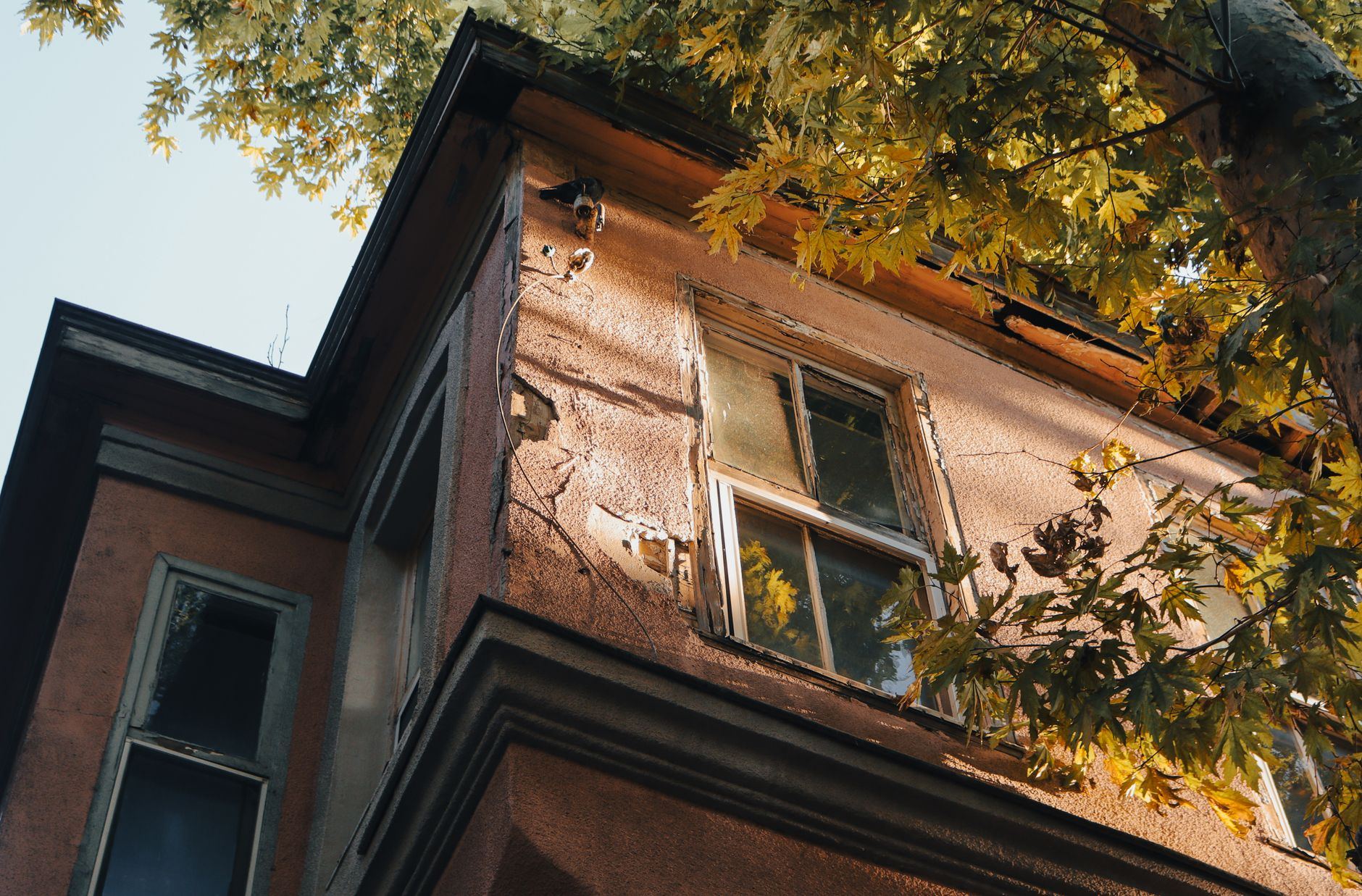
Diagonal cracking on an internal wall close to where the main waste pipe exits the house can suggest a localised leak below floor level.
- 2
Spongy paving or yard
Slabs that rock underfoot or sink at one edge may sit on soil softened by water escaping from a buried gully connection.

- 3
Damp smell outside
A persistent sewage odour near a drain cover, even in dry weather, often points to a cracked pipe venting below ground.

- 4
One sticking door
A single door frame distorting while the rest of the house feels square suggests movement concentrated near a specific water source.
- 5
Puddles that do not dry
Standing water beside a foundation after days without rain can indicate a continuous leak rather than surface runoff.

Questions about drain-related ground movement
Homeowners often ask these things once they suspect water is behind the cracking.
- Will my insurance cover a drain survey?
- Buildings insurers frequently fund investigations when subsidence is suspected. A specialist checks the policy wording and submits evidence so the insurer can decide.
- Can a blocked gutter cause subsidence?
- Overflowing gutters saturate the ground directly beside a wall. Over time this softens shallow clay, though it rarely causes deep movement alone.
- How long does a CCTV survey take?
- A standard domestic drain run usually takes a few hours to film and review. Longer shared runs across multiple gardens need more time.
- Do I need to dig up my patio?
- Not always. Cameras enter through existing rodding eyes or manholes. Excavation happens only once the fault location is confirmed.
- What if the broken pipe is not mine?
- If the damaged section serves other homes or lies beyond your boundary, the water company or neighbour may hold responsibility for repairs.
Tell us what you have noticed at home
Write down where the cracks or damp patches are. A specialist will read your description and advise whether a site visit makes sense, with no obligation to proceed.
- No fee for advice
- Local specialists only
- Your details stay private