Hornchurch homes
Cracks in 1930s Hornchurch semis and bay windows
Send the details of what you have noticed at your home. A specialist firm will review them and explain whether the cracking needs attention, with no cost or obligation to you.
Get advice on your cracks Read about local ground conditions
Why are the walls on my 1930s semi cracking?
Interwar houses in Hornchurch were built quickly, often on shallow strip footings. London clay shrinks when it dries and swells when it gets wet. That seasonal movement pulls at older masonry, showing up as cracks that follow the mortar lines.
- 1
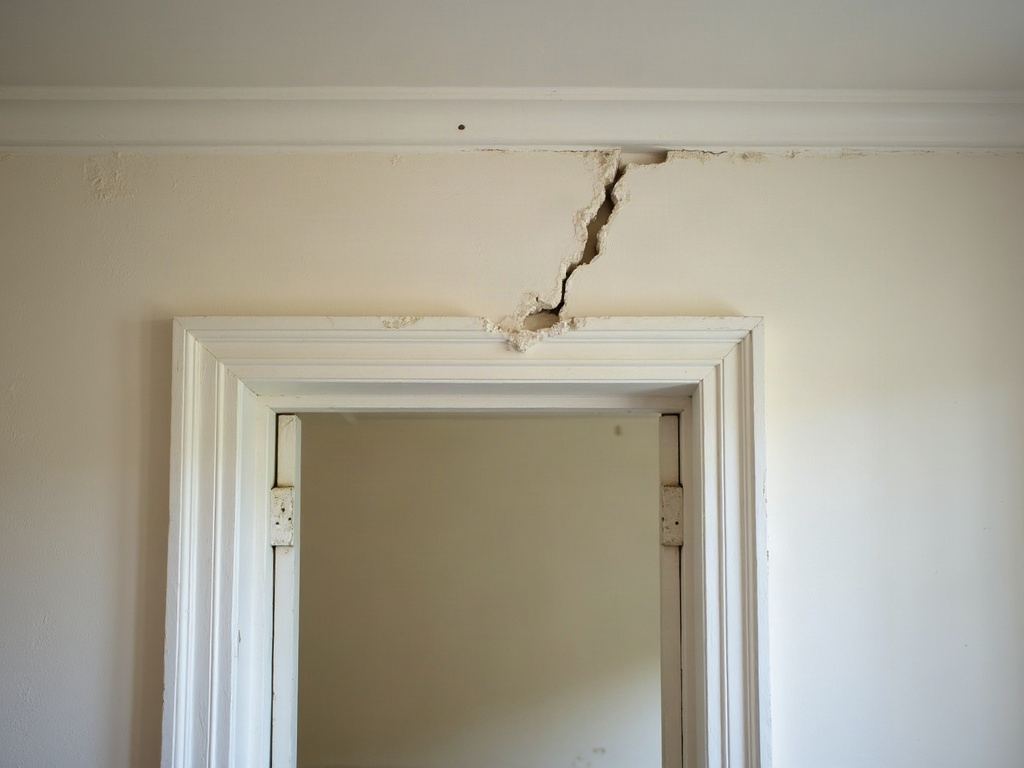
Stepped cracks in brickwork
A crack stepping along the mortar joints, usually wider at the top. It often points to one side of the wall sinking slightly lower than the other.
- 2
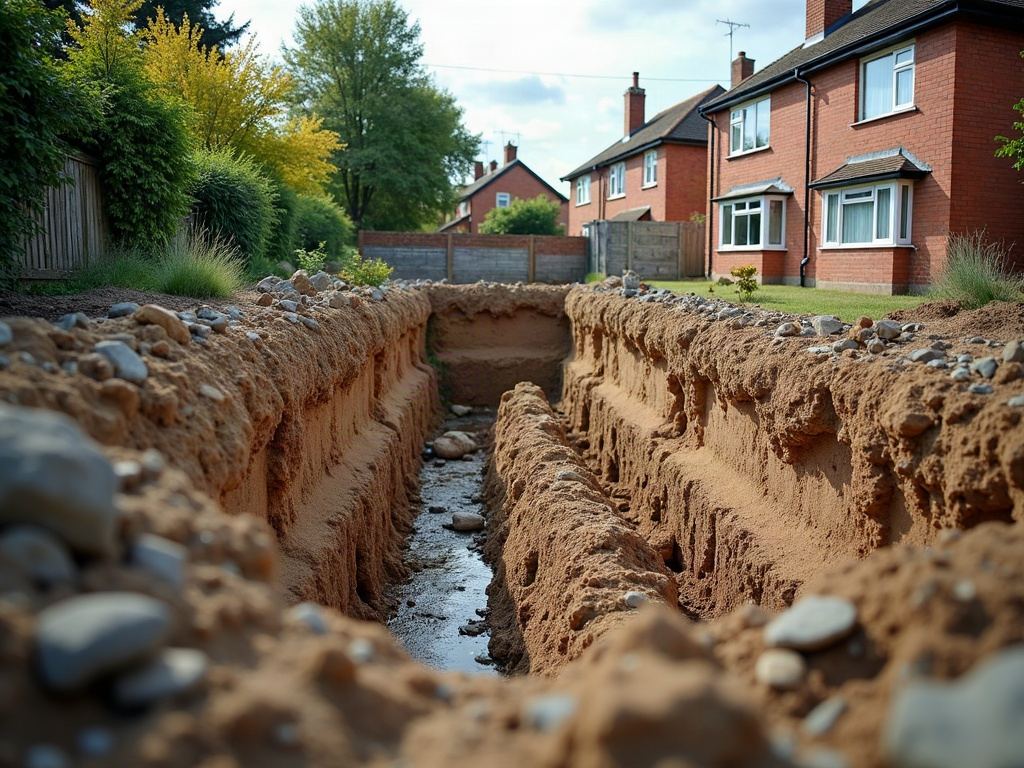
Gaps around bay window frames
The timber or metal frame pulling away from the surrounding brickwork. Bay windows have their own small foundations, which can settle independently.
- 3
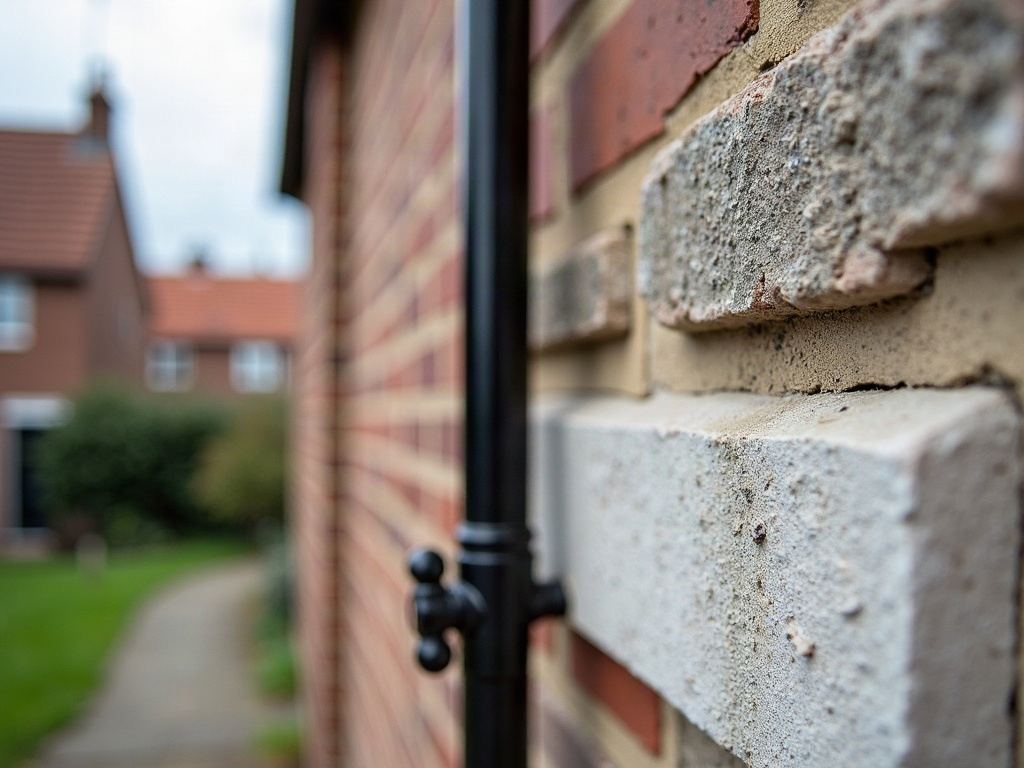
Diagonal cracks through render
Lines running at an angle across pebbledash or smooth render. The coating hides the brick beneath, so any crack here deserves a closer look by a specialist.
- 4
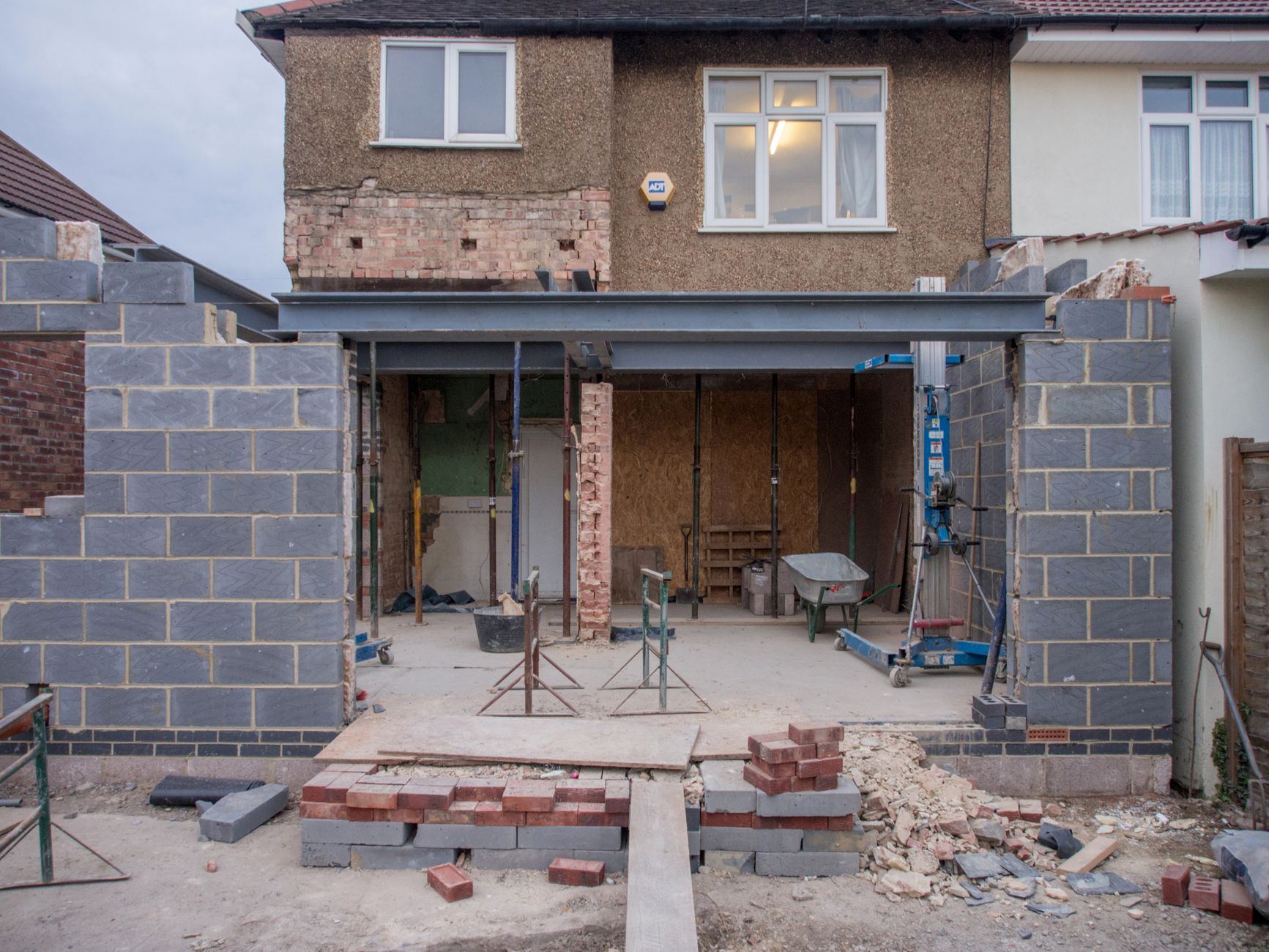
Doors sticking in their frames
A door that used to close freely now catches on the frame. This happens when the opening distorts because the wall around it has shifted.
Local causes
Ground movement in Hornchurch
Several things combine to make interwar homes here particularly prone to foundation movement.
- Shallow original footings Builders in the 1920s and 1930s dug foundations far shallower than modern standards.
- London clay shrinkage Dry summers cause clay to lose volume, leaving footings without support underneath.
- Mature garden trees Large oaks and willows draw moisture from soil near the house, accelerating shrinkage.
- Former airfield land Parts of Hornchurch sit on ground levelled or filled during its RAF era.
- Added rear extensions Later additions often have different foundations to the main house, moving separately.
- Aging clay drain pipes Original drains fracture over time, letting water wash fine soil from footings.
Towns covered across the borough of Havering
Enquiries are taken from homeowners anywhere in the London Borough of Havering. Specialist firms operate across all these areas and know the local geology well.
If your street is not listed here, send an enquiry anyway. The whole borough is covered.
Tell someone about the cracks you have found
Describe what you can see and where it is on your home. A specialist firm will read the details and advise you on the next step. There is no charge for this and no commitment to proceed with any work.
- No fee for advice
- No obligation to proceed
- Read by a specialist firm