Collier Row
Subsidence help for Collier Row homes on rising clay
Describe the cracks or movement you have noticed at home. A specialist firm covering Collier Row will read your notes and reply with what to do next, without charging you anything.
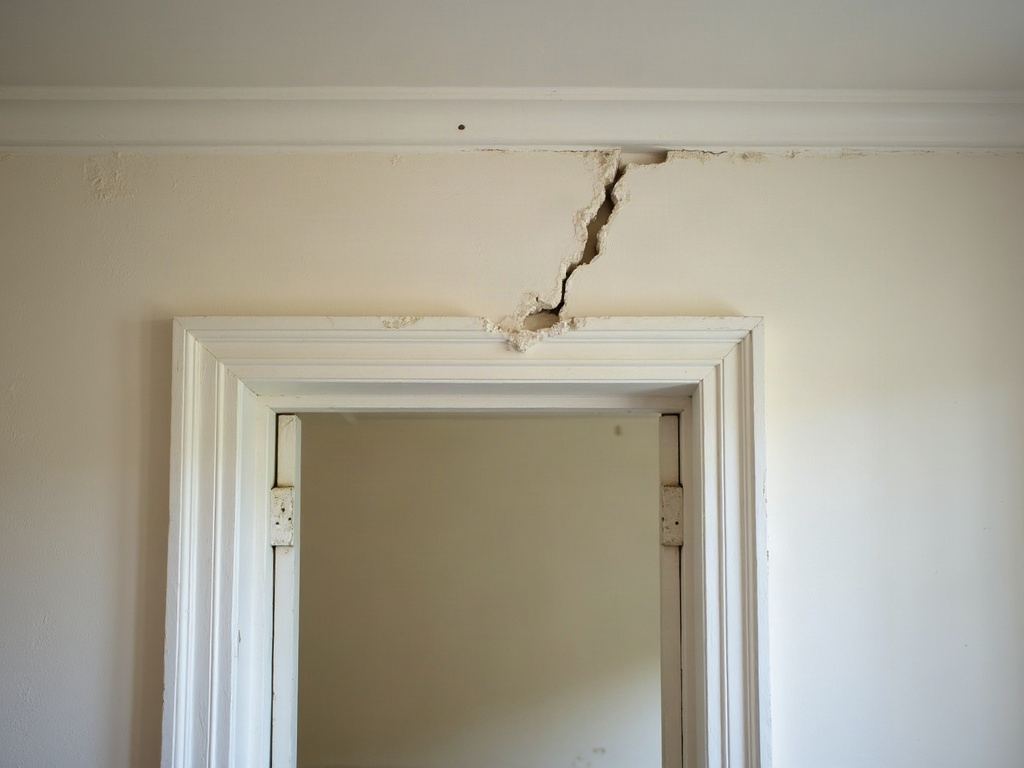
Cracks appearing around doors and windows
Clay shrinks when it dries out, and the ground rising towards Havering-atte-Bower means many Collier Row houses sit on a slope. That combination puts uneven pressure on shallow footings built between the wars and after them.
- 1
Diagonal cracks near window frames
A crack wider at the top than the bottom often follows the mortar joints. It can mean the wall is moving away from its footing.
- 2
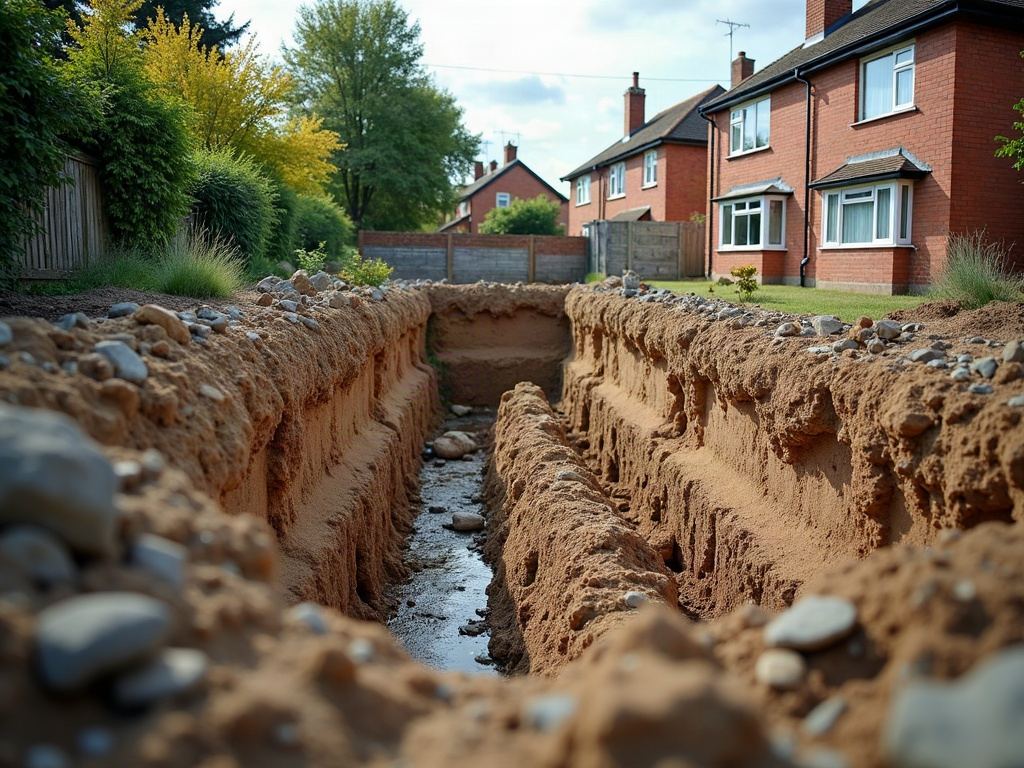
Doors that stick in summer
Frames distort as the timber swells or the brickwork shifts. Seasonal sticking points to moisture changes in the ground below.
- 3
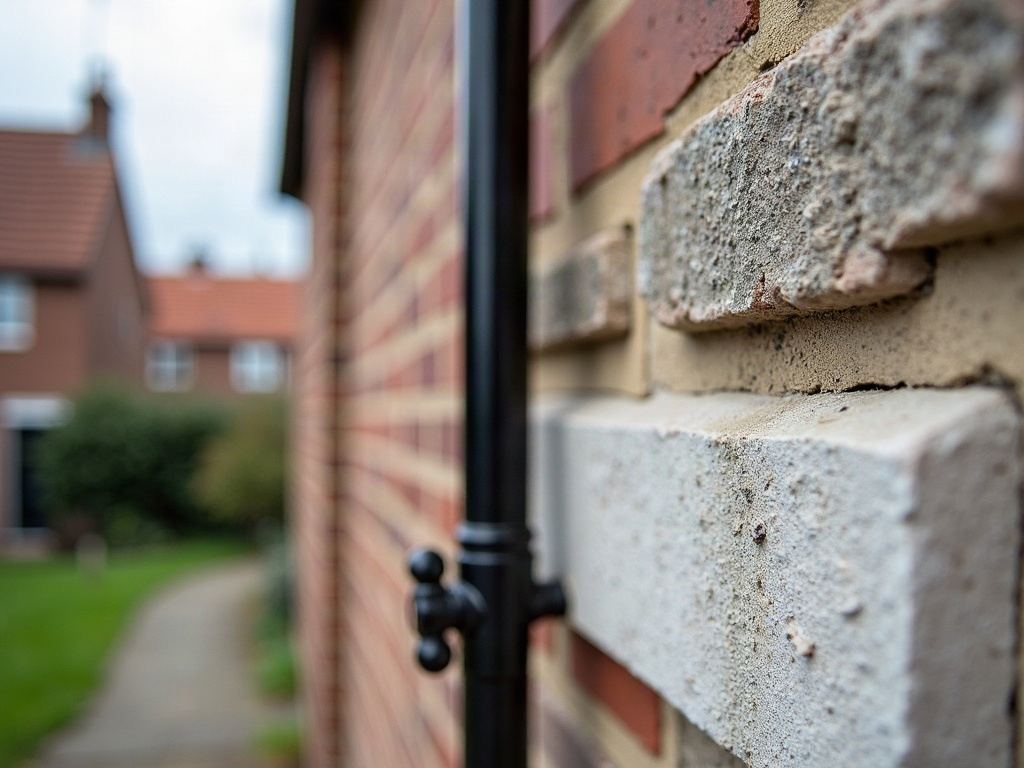
Gaps under skirting boards
Floors settle independently of walls. A visible gap along the skirting suggests the slab or joists have dropped slightly.
- 4
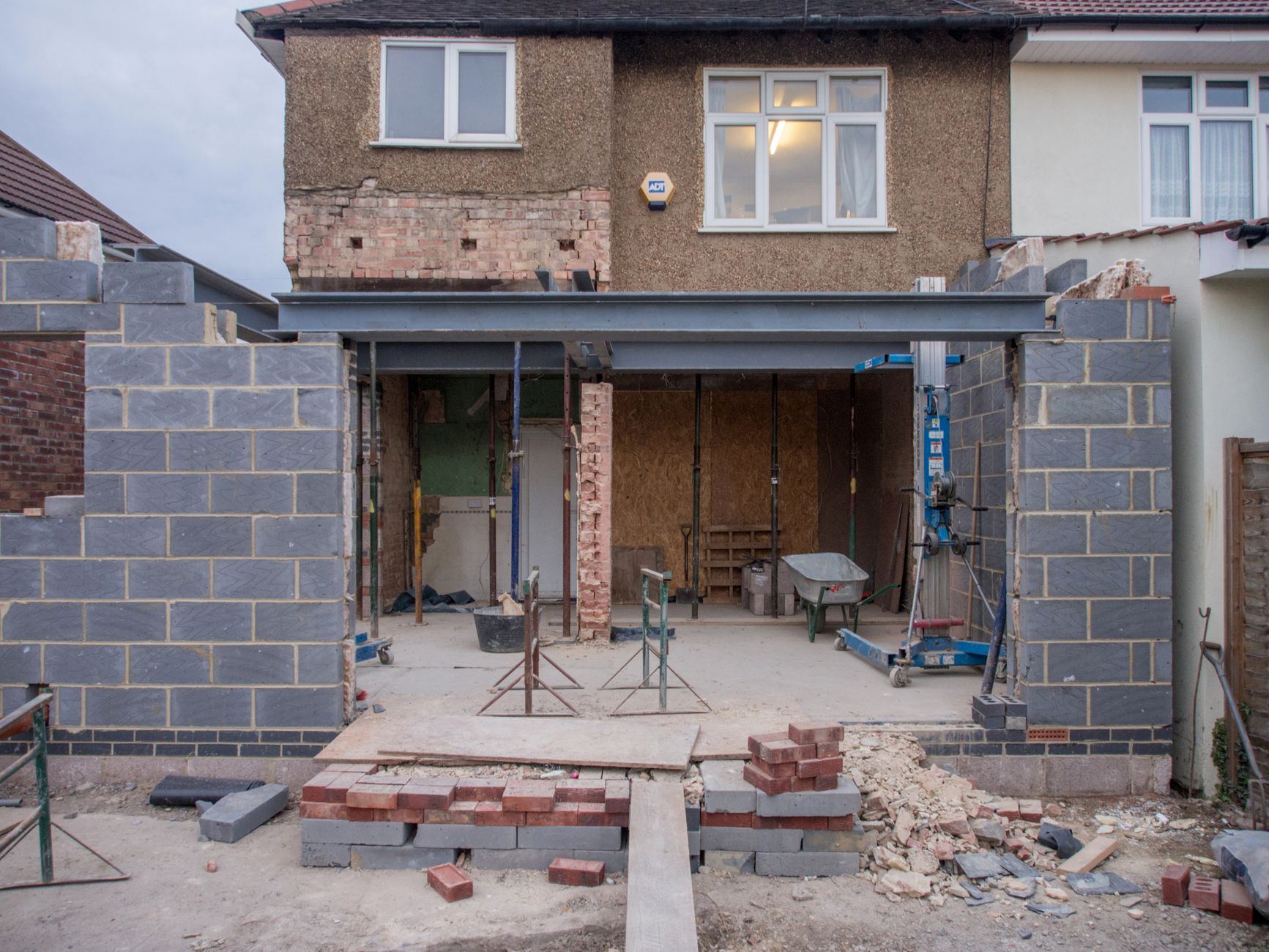
Patio slabs tilting downhill
On sloping plots, hard landscaping drifts over time. Leaning paving may follow the same ground movement affecting the house.
Local geology
Why Collier Row ground moves
The soil here is London Clay, and the slope adds drainage problems that flat streets avoid.
- Shrinking clay Dry spells pull moisture from the subsoil, leaving voids beneath shallow strip foundations.
- Sloping plots Softened clay slides downhill, pressing harder against the lower side of a footing.
- Mature trees Field oaks and garden trees draw moisture from the clay every summer.
- Old hedgerows Roots left behind when hedges were cleared still affect soil moisture levels.
- Postwar concrete Many 1950s houses here have thin slab floors that crack when ground shifts.
Foundation work in Collier Row
What a specialist firm can do for your home
- Subsidence investigation
- A specialist firm visits the house, measures the cracks, checks the drains and identifies why the ground is moving before recommending any repair work.
- Underpinning
- Where footings have failed, contractors excavate beneath the existing foundation in short sections and pour new concrete to reach stable load-bearing strata.
- Resin injection
- For lighter movement, technicians pump expanding resin into the clay through small drilled holes to fill voids and compact the soil without major excavation.
- Concrete floor repair
- Specialists lift cracked slabs, replace damaged screed and install movement joints so the floor can tolerate minor future shifts without splitting again.
- Screw piling
- Steel piles are driven deep past the shrinking clay layer to anchor extensions, garages or unstable parts of the main house to solid ground below.
Areas covered across the borough
Specialist firms take on subsidence enquiries from every part of Havering. The clay and gravel vary from street to street, so local knowledge matters when assessing damage.
If your road is not listed, send an enquiry anyway. Firms cover the whole borough.
Tell someone about the cracks you have found
Write down what you have seen and where it is. A specialist firm covering Collier Row will review the details and advise you on the next step, free of charge.
- No obligation to proceed
- Free initial assessment
- Local specialists only