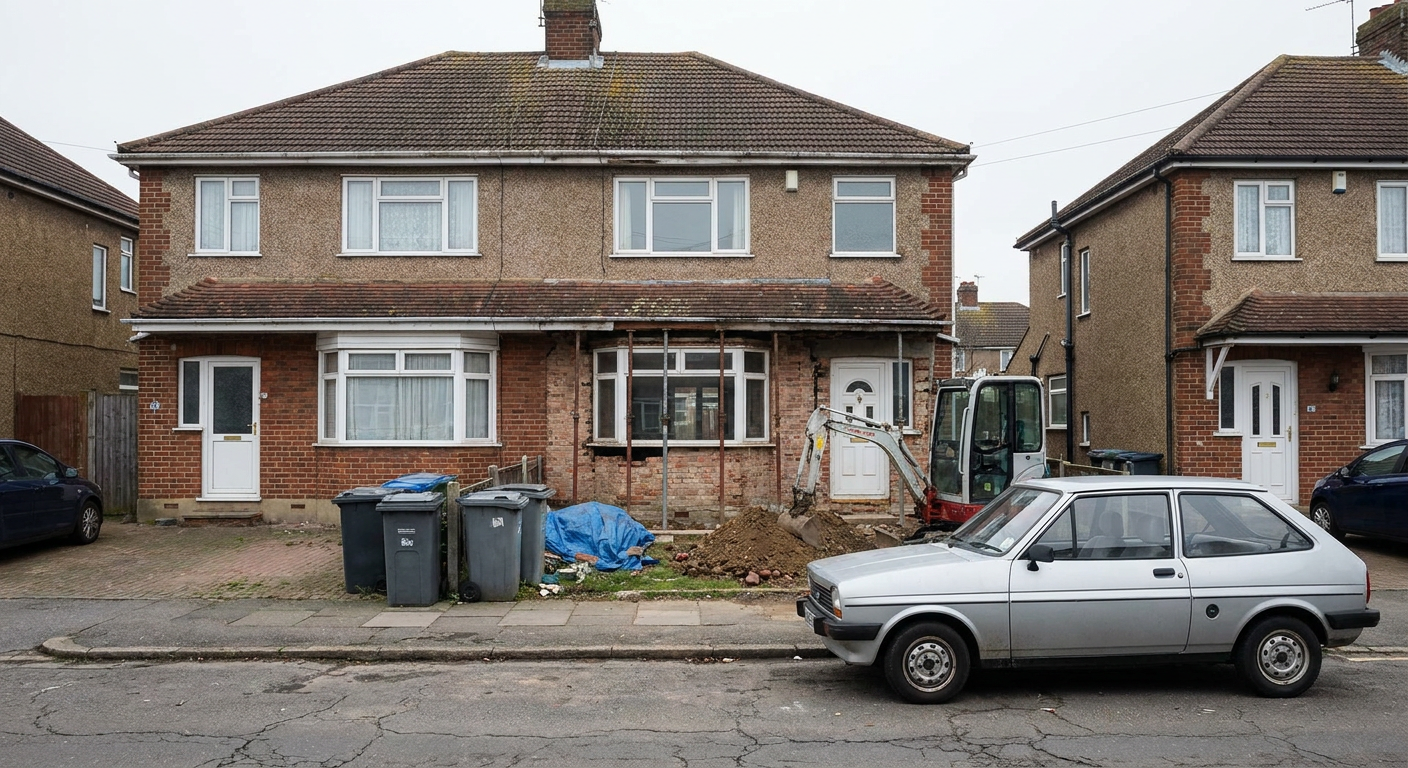
Elm Park, Havering
Cracks in 1930s Elm Park estate homes
Send details of the crack you have noticed. A specialist will read them and tell you whether the movement needs a survey or is likely to settle on its own. There is no charge for this first look.
Foundation work for Elm Park houses
The uniform construction of these 1930s streets means one home often shows the same movement as the next. The right fix depends on what lies beneath the footings and how far the walls have shifted.
-
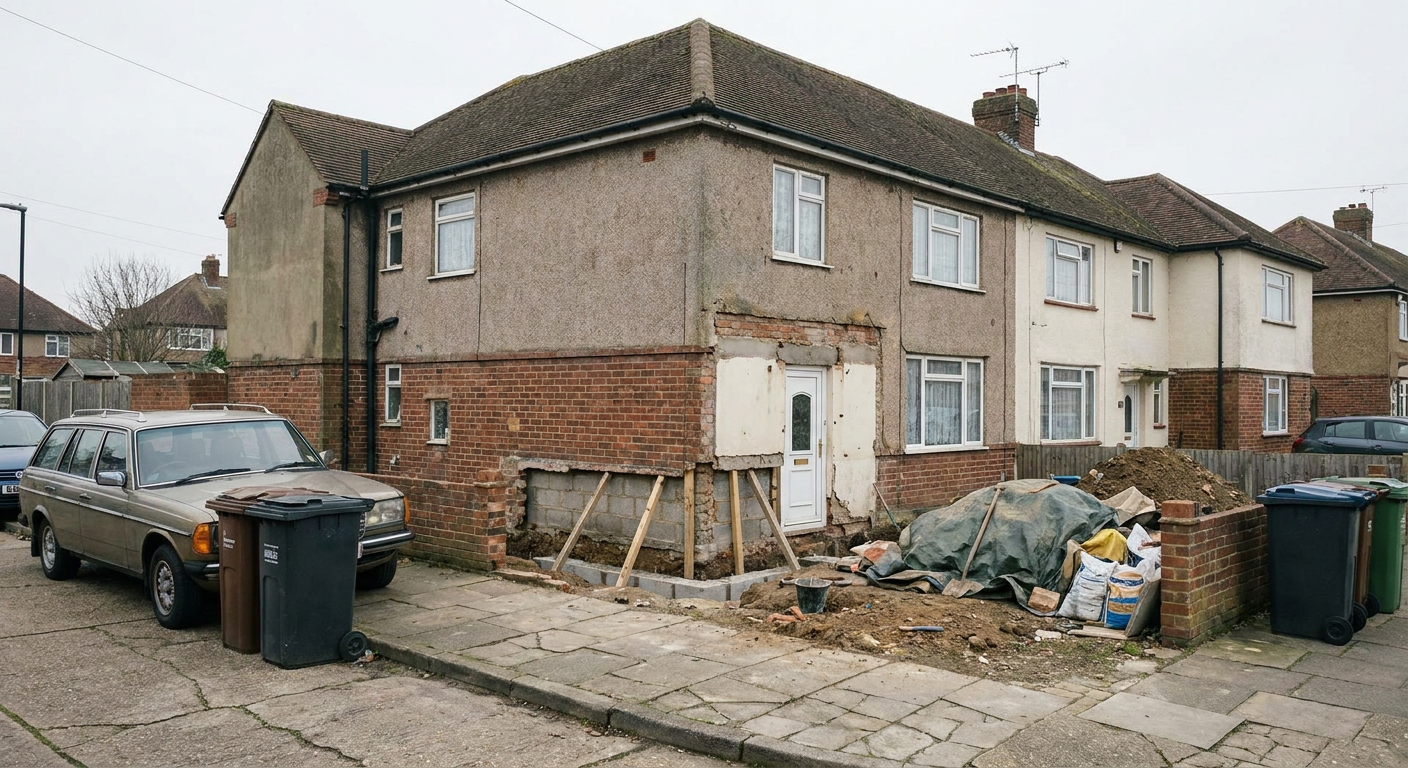
Subsidence Help
A structural engineer visits the home, measures the movement and determines whether the foundations are still settling or need intervention.
-
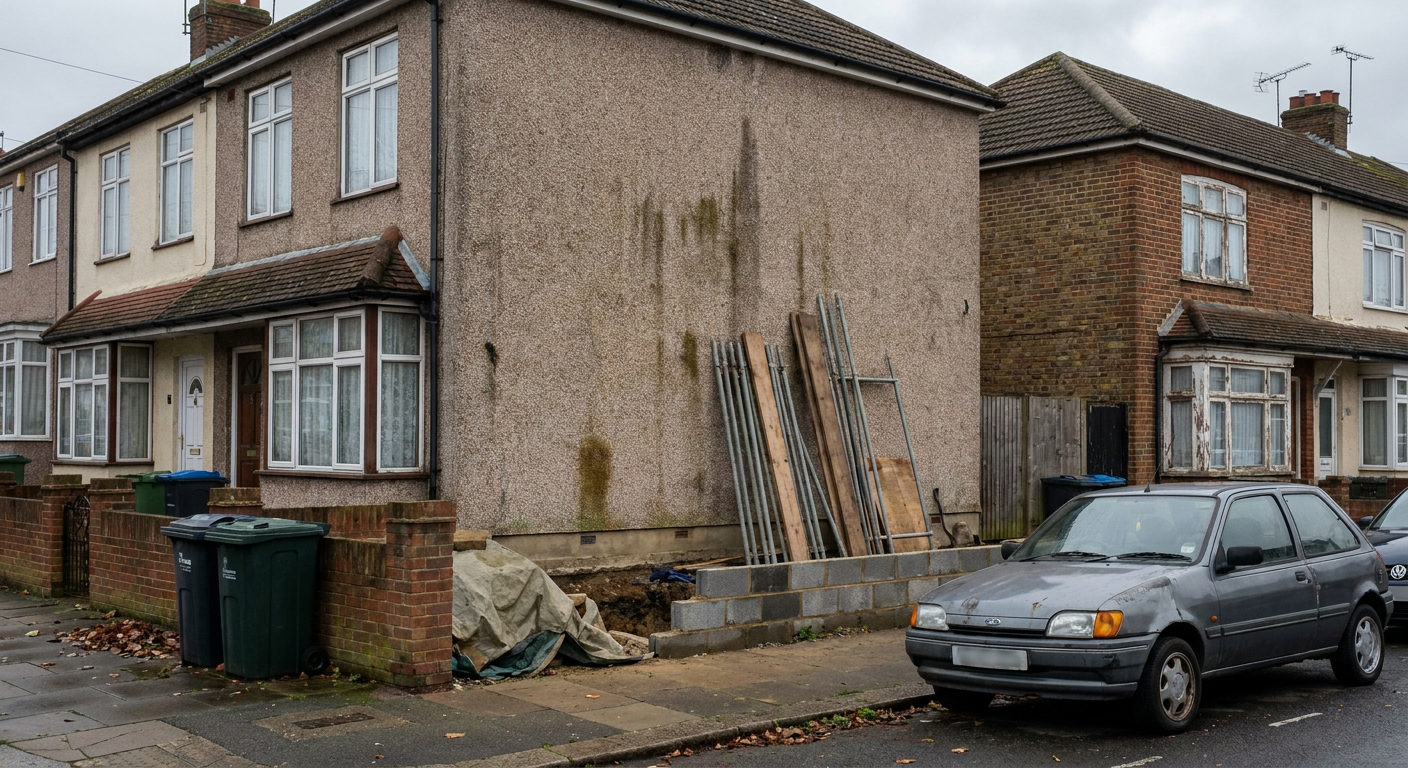
Underpinning
Specialist contractors excavate below the existing footings and pour new concrete to transfer the load of the house to stable ground.
-
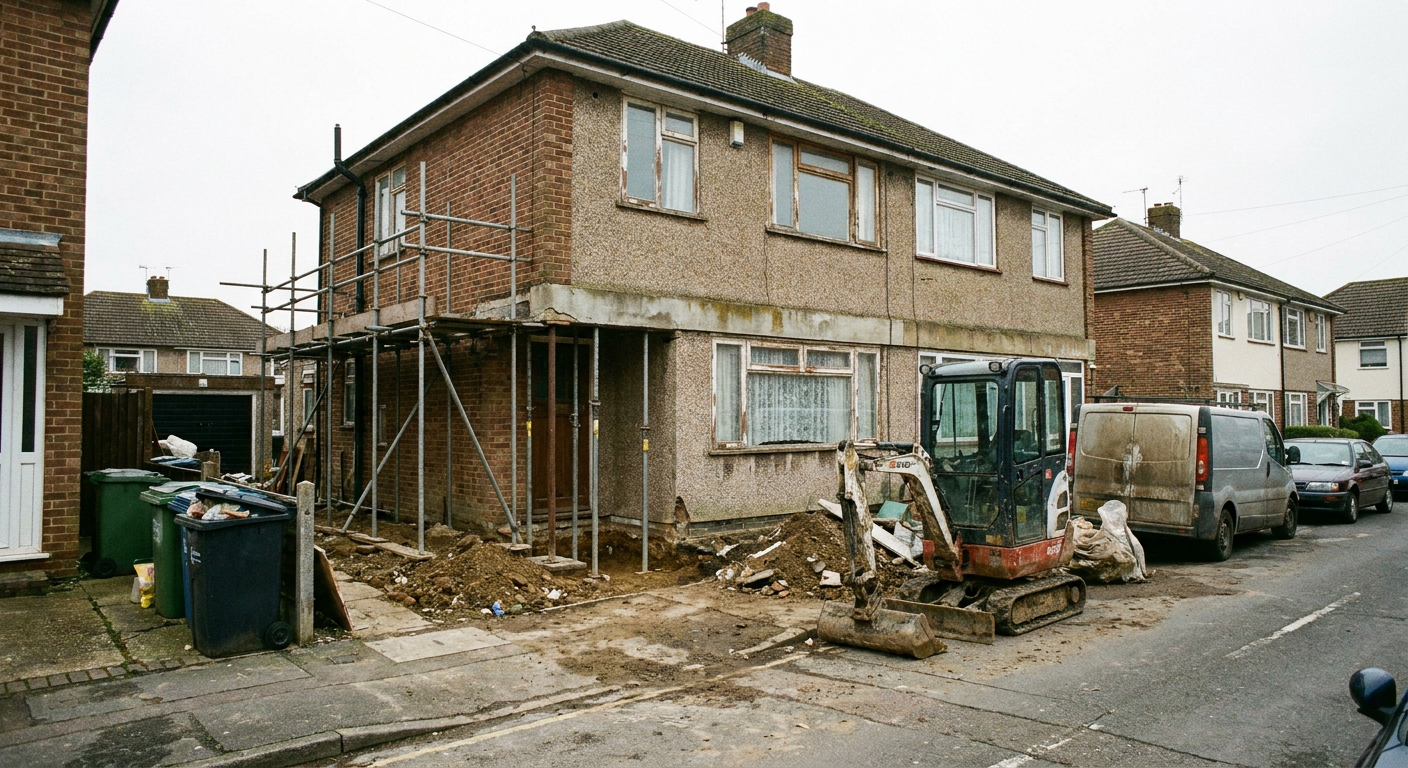
Resin Injection
Technicians pump expanding resin into shrinking clay beneath the slab, filling voids and lifting settled floors back towards their original level.
-
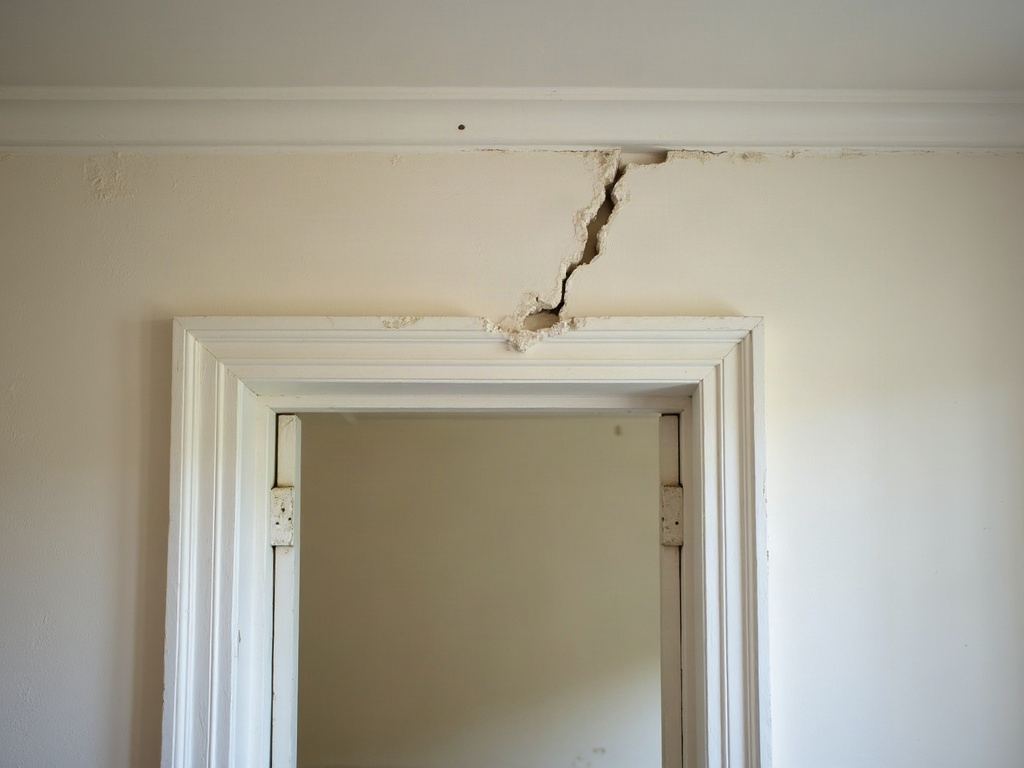
Concrete Cracking
A concrete repair firm assesses cracked garage slabs, drives and internal floors to decide if the damage is cosmetic or structural.
-
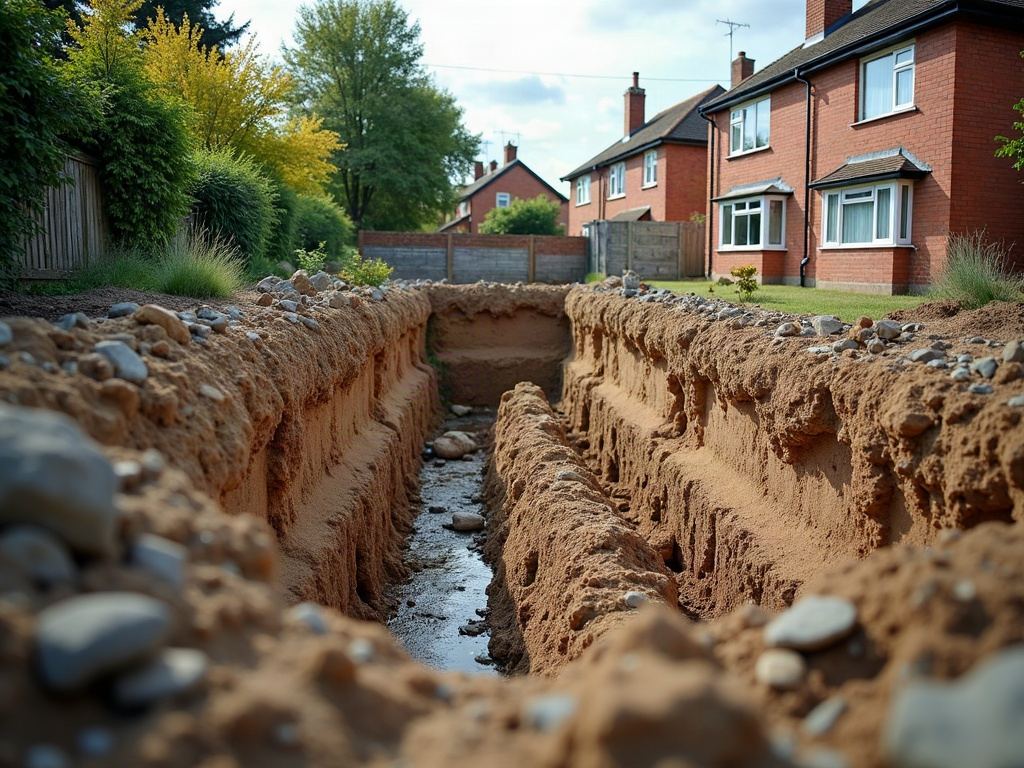
Screw Piling
Piling crews drive steel screws into the ground to support extensions or stabilise foundations where traditional digging would disturb nearby drains.
Why cracks repeat along an Elm Park terrace
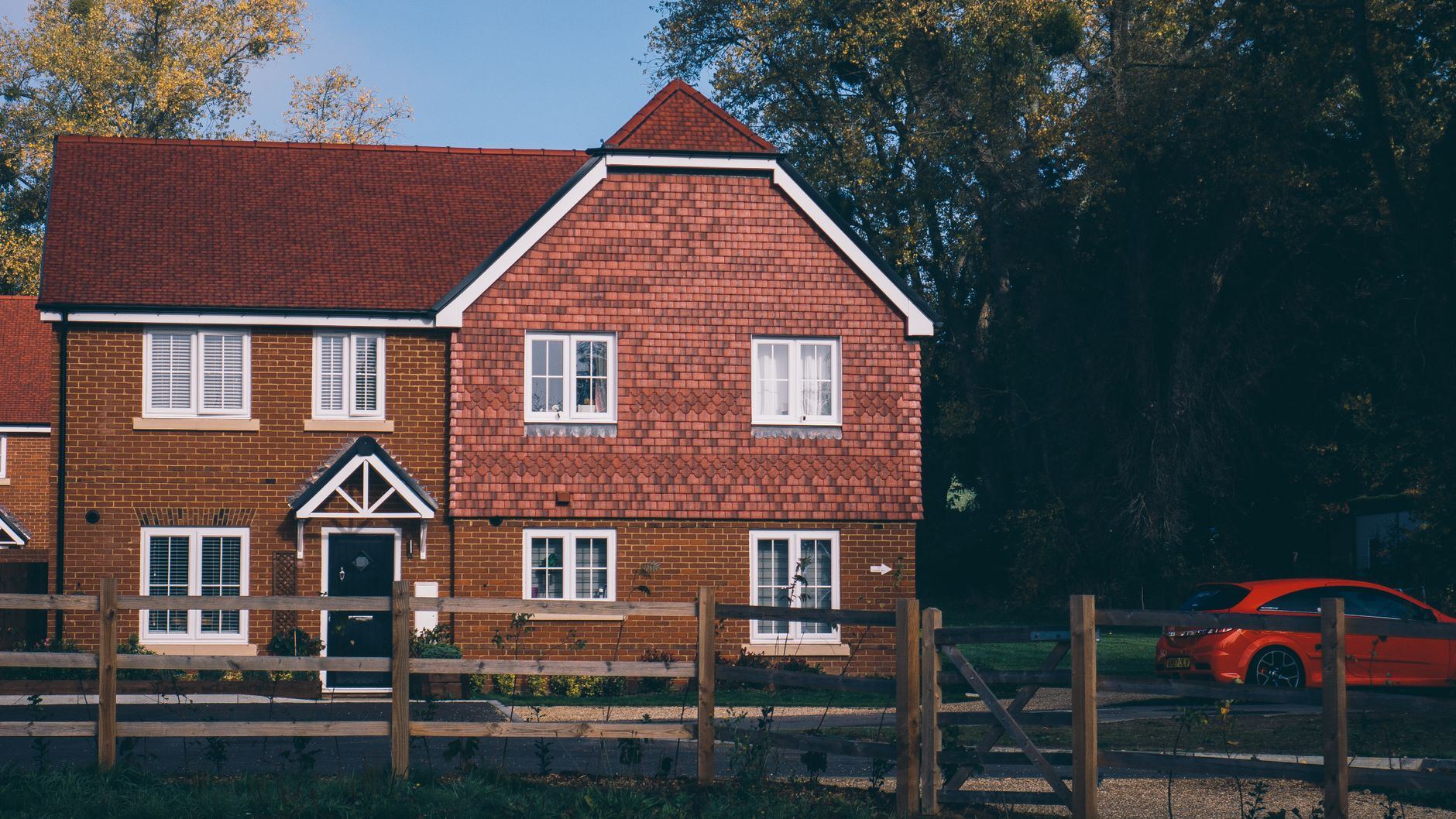
These homes were built in long runs using identical brickwork and shallow strip foundations. When the low-lying clay near the Beam dries out or softens, whole rows move together. That shared geology produces matching cracks from one front door to the next.
- 1
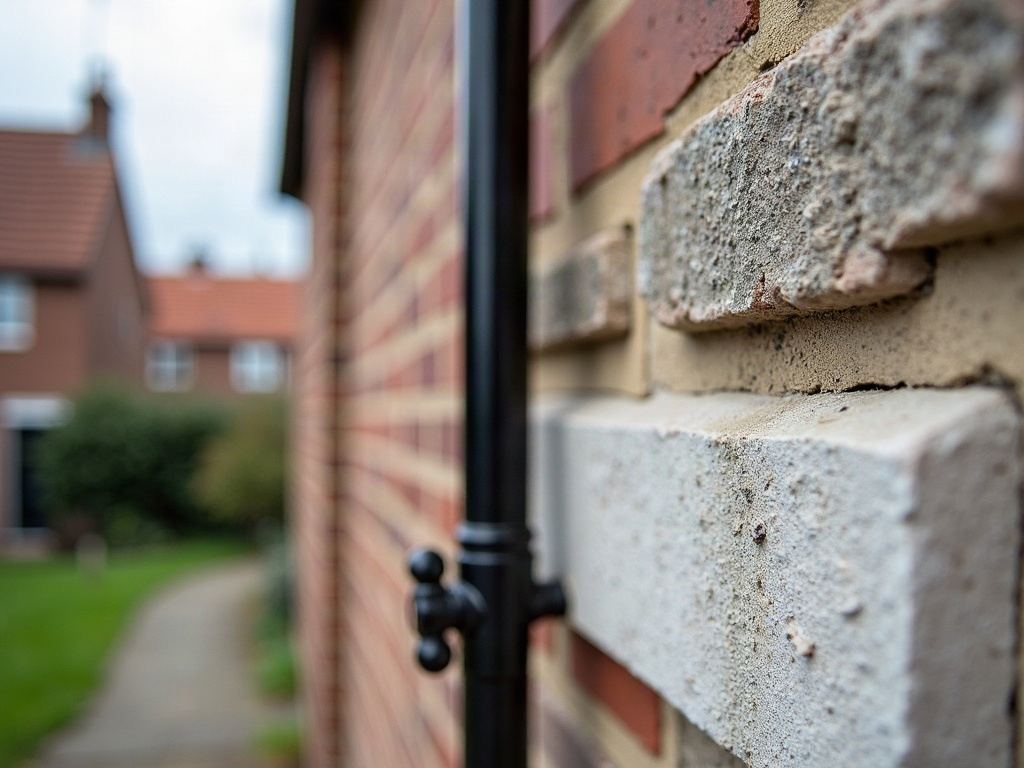
Diagonal cracks at window corners
A line running down from the top corner of a frame often points to uneven settlement in the wall below. It may widen slowly over months.
- 2
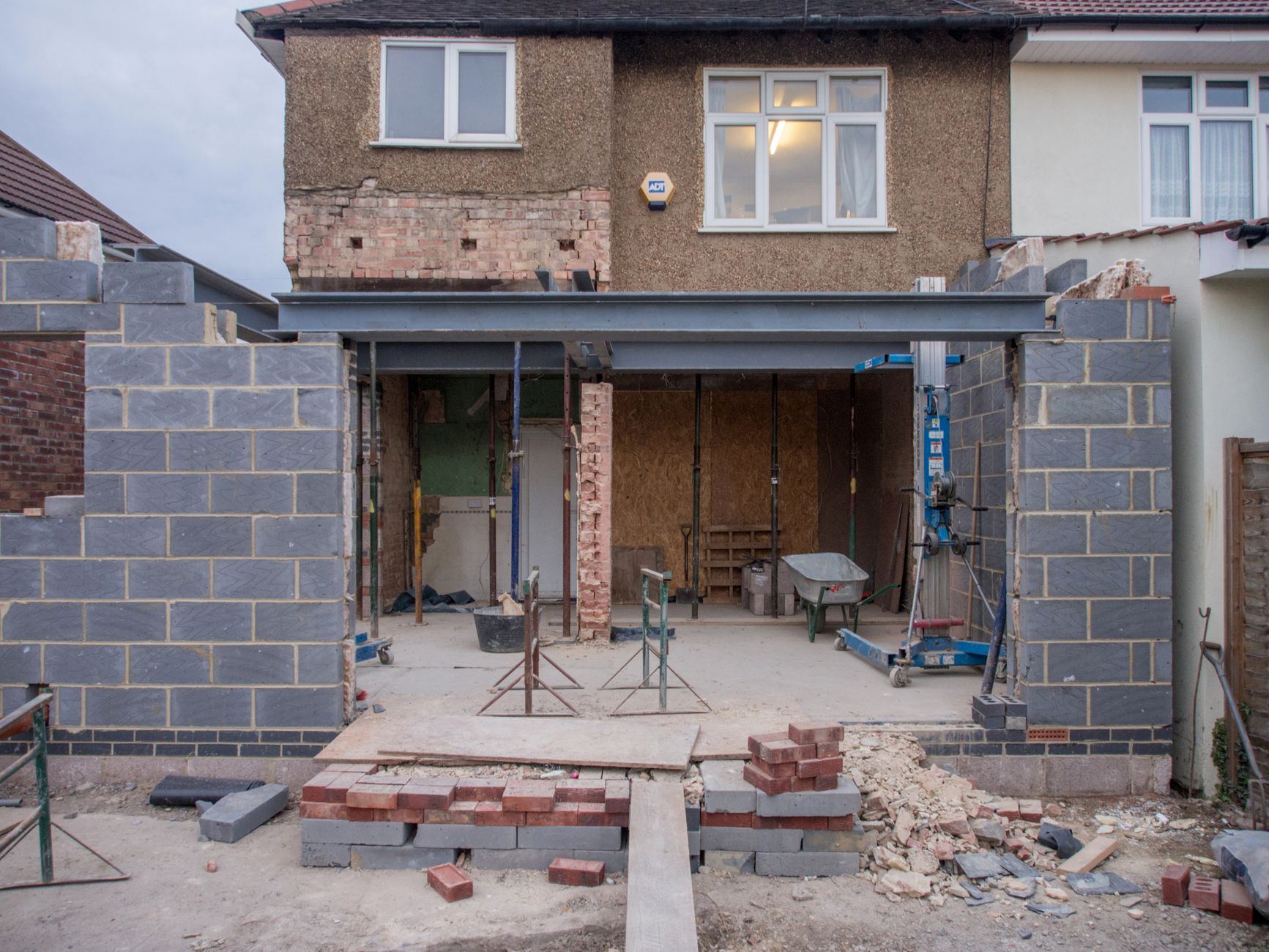
Gaps opening around doors
Frames twist when the surrounding brickwork shifts. If a door that used to latch now drags on the carpet, the wall has likely moved.
- 3
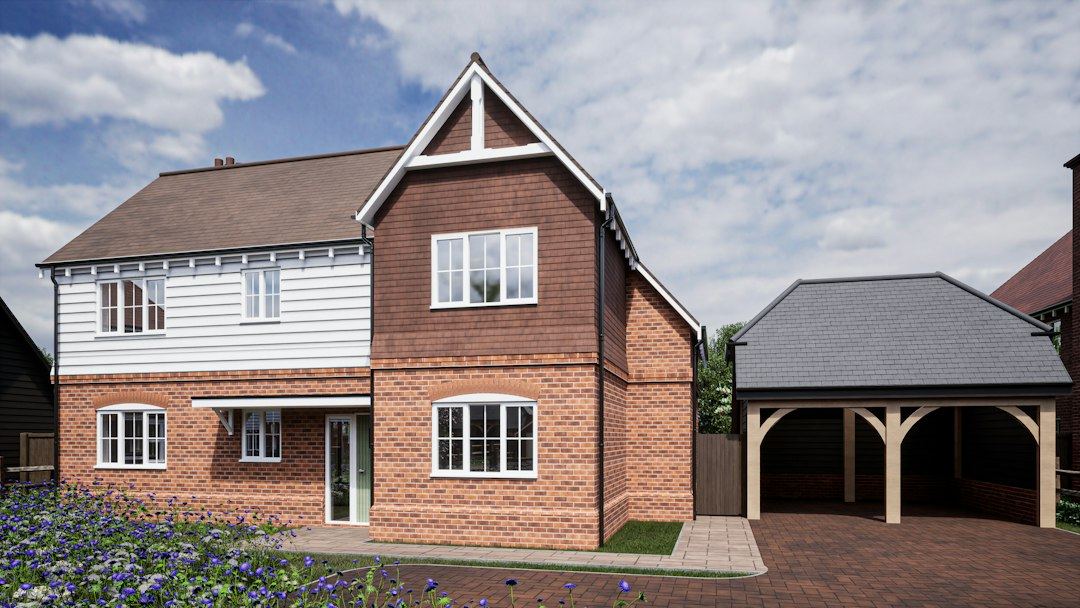
Cracks mirrored next door
When the neighbour has the same split in the same place, the cause usually sits deeper than plaster shrinkage. Both homes share the ground conditions.
- 4
Floors sloping toward one wall
A marble rolling across the room suggests the floor slab has tilted. This happens when soil compresses more on one side of the footing.
Ways specialists treat foundation movement
Each method suits a different cause. The right one depends on the soil, the depth of the footings and how much the walls have shifted.
- Subsidence Help for Havering Homeowners Start here if you are unsure what the crack means.
- Underpinning: When It Is Needed For deep or ongoing movement that surface repairs cannot hold.
- Resin Injection Into Shrinking Clay Lifts settled floors without large excavations inside the home.
- Cracked Concrete Floors and Drives Addresses damaged slabs once the ground beneath is stable.
- Screw Piling for Foundations Supports new loads or failing footings in restricted spaces.
Subsidence help across Havering
Specialist firms cover every part of the borough. Ground conditions change from the gravel terraces in the north to the marshy clay near the Thames, so local knowledge matters when reading a crack pattern.
If your street is not listed, send an enquiry anyway. Coverage extends throughout the borough.
Tell someone about the crack you found
Write down where the crack is and how wide it looks. A specialist reads your description and replies with an honest view on whether the movement warrants a full survey. Nothing commits you to any work.
- No obligation to proceed
- Free initial assessment
- Local ground knowledge