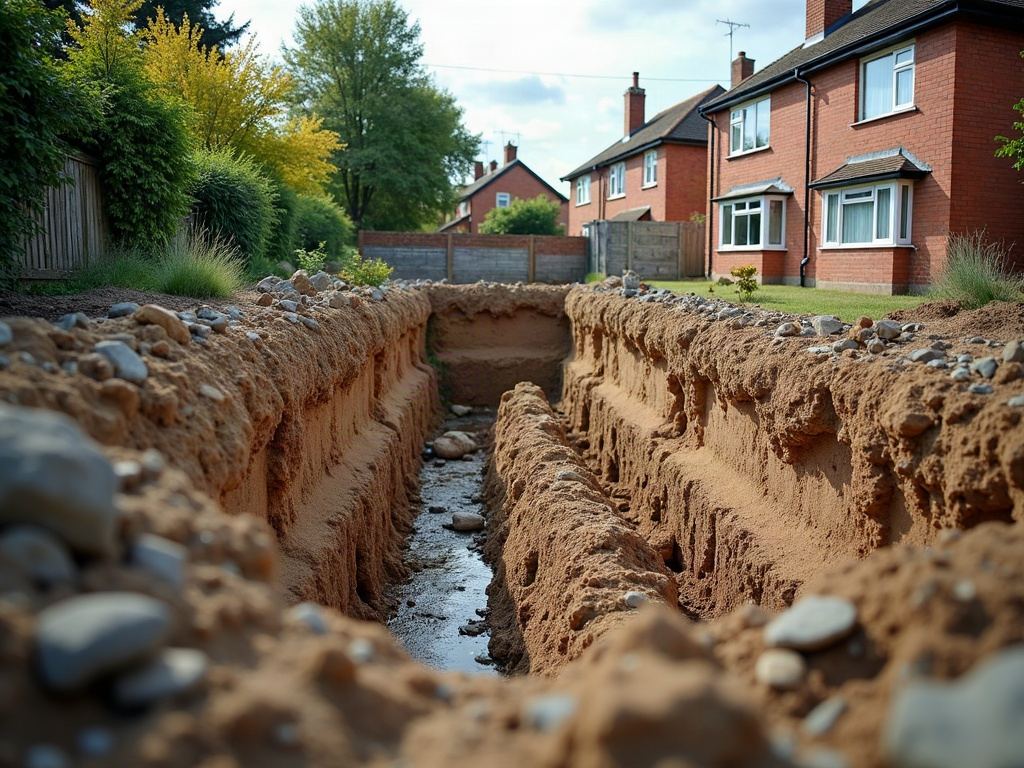
Concrete floors and slabs
Cracks in your solid floor, drive or outbuilding slab
Describe the crack you have noticed and where it sits. A specialist will read what you send and tell you whether it points to ground movement or simple concrete shrinkage, without charging you for that first look.
Work on concrete floors and ground slabs
Solid floors, drives and outbuilding slabs sit directly on the ground, so they react quickly when soil moves. Each of these services addresses a different cause or stage of that problem.
-
Subsidence Help
A specialist visits the home, measures the crack and determines whether the ground beneath the slab is still moving or has already settled.
-
Underpinning
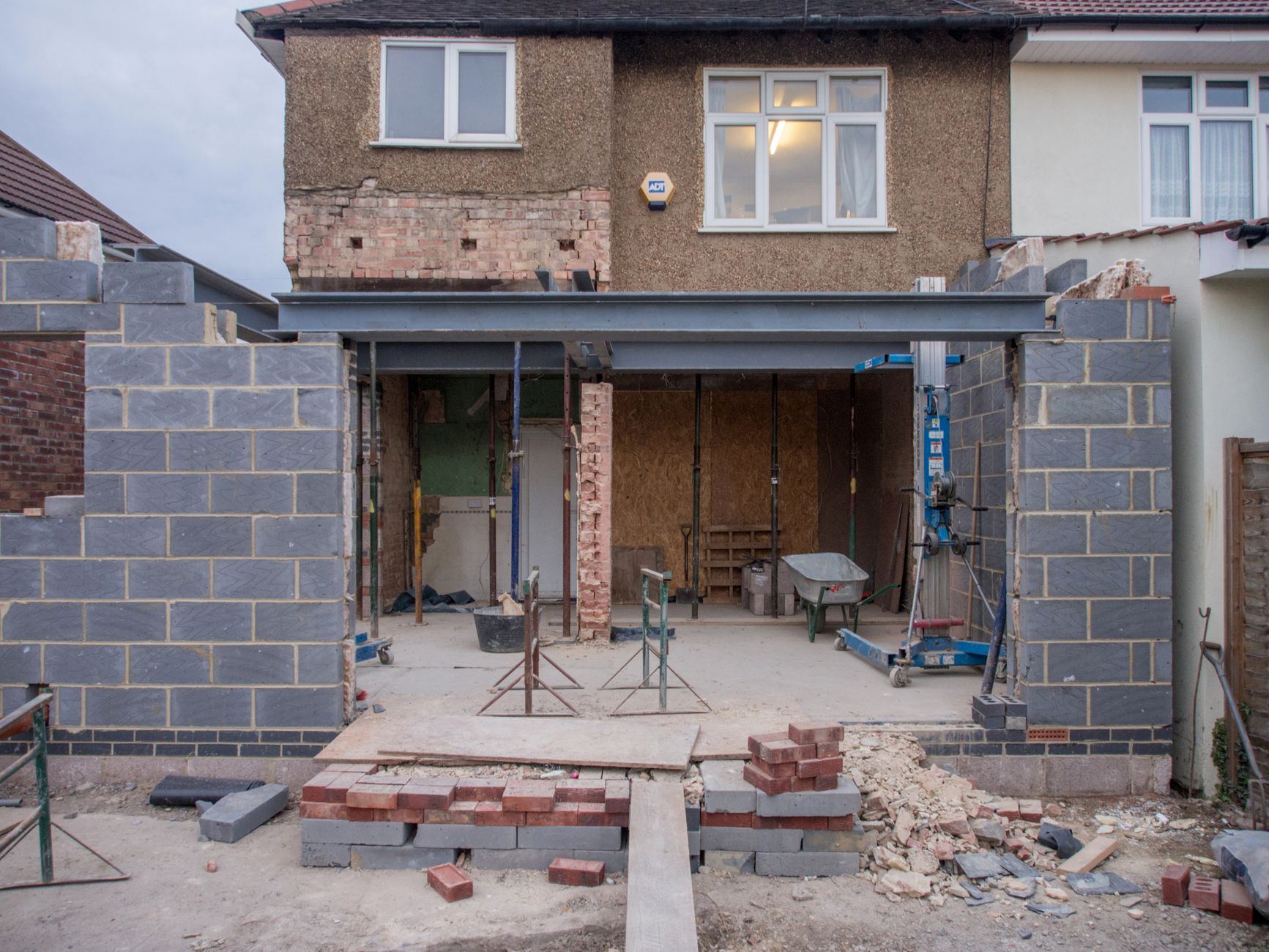
Where the soil cannot support the slab, a specialist excavates below the existing concrete and pours new footings to carry the load.
-

Resin Injection
A specialist pumps expanding resin into shrinking clay beneath the floor to fill voids and lift the slab back toward its original level.
-
Screw Piling
For extensions or outbuildings on soft ground, a specialist drives steel helical piles deep enough to reach stable soil below the fill.
Reading the crack
Why solid floors crack differently from brick walls
A solid concrete floor rests directly on the subsoil. When clay shrinks in summer or gravel washes away through a broken drain, the slab drops with it. There are no deep strip footings to hold it up.
Shrinkage cracks happen as fresh concrete dries and cures. They are usually thin, stay near the surface and do not widen over time. Ground movement cracks tend to run across the full depth of the slab and open gradually.
Curling happens when the top of a slab dries faster than the bottom, pulling the edges upward. It is common on garage floors and drives. It looks alarming but rarely means the soil underneath is failing.
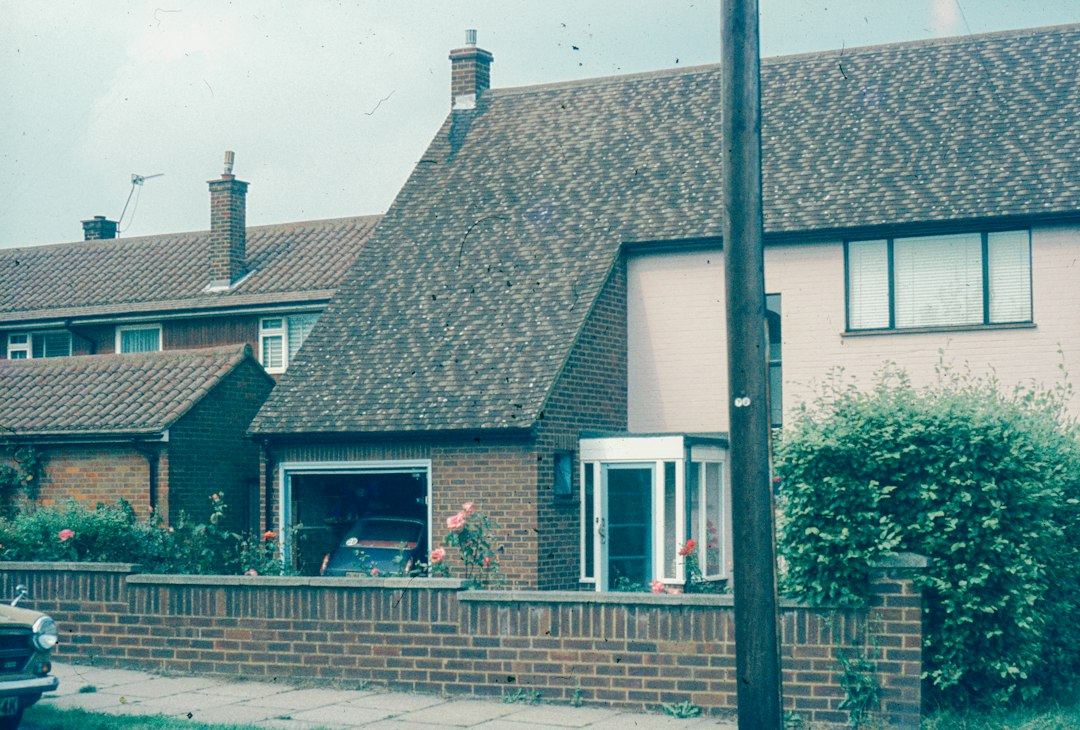
Postwar estate houses in Havering were often built with thin concrete ground floors laid straight onto compacted fill. Decades later that fill settles, leaving hollow spots under the slab where cracking starts.
What you need to do and what follows
Finding out what a crack means takes very little effort on your part. You describe what you see, and the specialist handles the measurements, the soil checks and the explanation.
What you do
- Note where the crack is and roughly how wide it is
- Mention if doors nearby stick or if the floor feels uneven
- Send those details through the enquiry form
What a specialist does
- Read the description and decide if a site visit is needed
- Measure the crack width and check the slab level with survey equipment
- Identify whether the cause is shrinkage, curling or ground movement
- Explain the findings plainly and recommend any necessary work
How a specialist reads a cracked slab
The order matters because the simplest explanation should be ruled out first. Jumping straight to soil tests wastes time if the crack is only drying shrinkage in the concrete itself.
-
Visual inspection of the crack pattern
A specialist maps where the crack runs, whether it crosses the full slab or stops at a joint, and if the edges are level or stepped. Shrinkage cracks follow predictable paths; subsidence cracks do not.
-
Level survey of the floor surface
Using precise instruments, a specialist measures the height of the slab at several points. A dip in one area confirms localised ground loss, while uniform tilt suggests deeper foundation movement.
-
Drain and soakaway test
Water escaping from a cracked pipe or a blocked soakaway washes fine particles out of the soil. A specialist runs water through the drains near the slab to rule this out.
-
Trial hole or borehole sampling
If surface checks point to the soil, a specialist digs a small hole beside the slab to examine the layers below. This reveals made ground, soft clay or voids left by old gravel extraction.
When results conflict, the specialist repeats the level survey after a season to see which reading holds true.
Questions about cracked concrete floors
These come up most often from homeowners who have spotted a new line in their garage, kitchen floor or patio.
Is every crack in my concrete floor a sign of subsidence?
No. Most hairline cracks in solid floors are caused by the concrete shrinking as it dried years ago. A crack becomes a concern when it widens over months, steps vertically or lines up with sticking doors nearby.
My garage floor has lifted at the edges. Is the ground moving?
That shape usually points to curling, where the top surface dries faster than the bottom. It is a concrete behaviour, not a soil failure. A specialist can confirm this with a quick level check.
Will I need underpinning if my kitchen slab has dropped?
Not always. If the drop is small and the soil has stopped moving, filling the void with resin may be enough. Underpinning is reserved for cases where the ground cannot support the slab at all.
Could a leaking drain be causing the crack in my drive?
Yes. Water from a fractured drain pipe washes away the fine soil beneath a driveway slab, leaving a void. The concrete then cracks under the weight of parked cars. A drain test rules this in or out.
Do postwar estate houses have weaker concrete floors?
They often have thinner slabs laid directly onto infilled ground rather than deep foundations. That makes them more likely to crack when the fill settles decades later, especially around Harold Hill and Elm Park.
Tell someone about the crack you have found
Write down where the crack is and what it looks like. A specialist will read your description and say whether it needs a visit. Sending an enquiry does not commit you to any work or cost.
- No obligation to proceed
- No charge for the first look
- Plain answers, no jargon