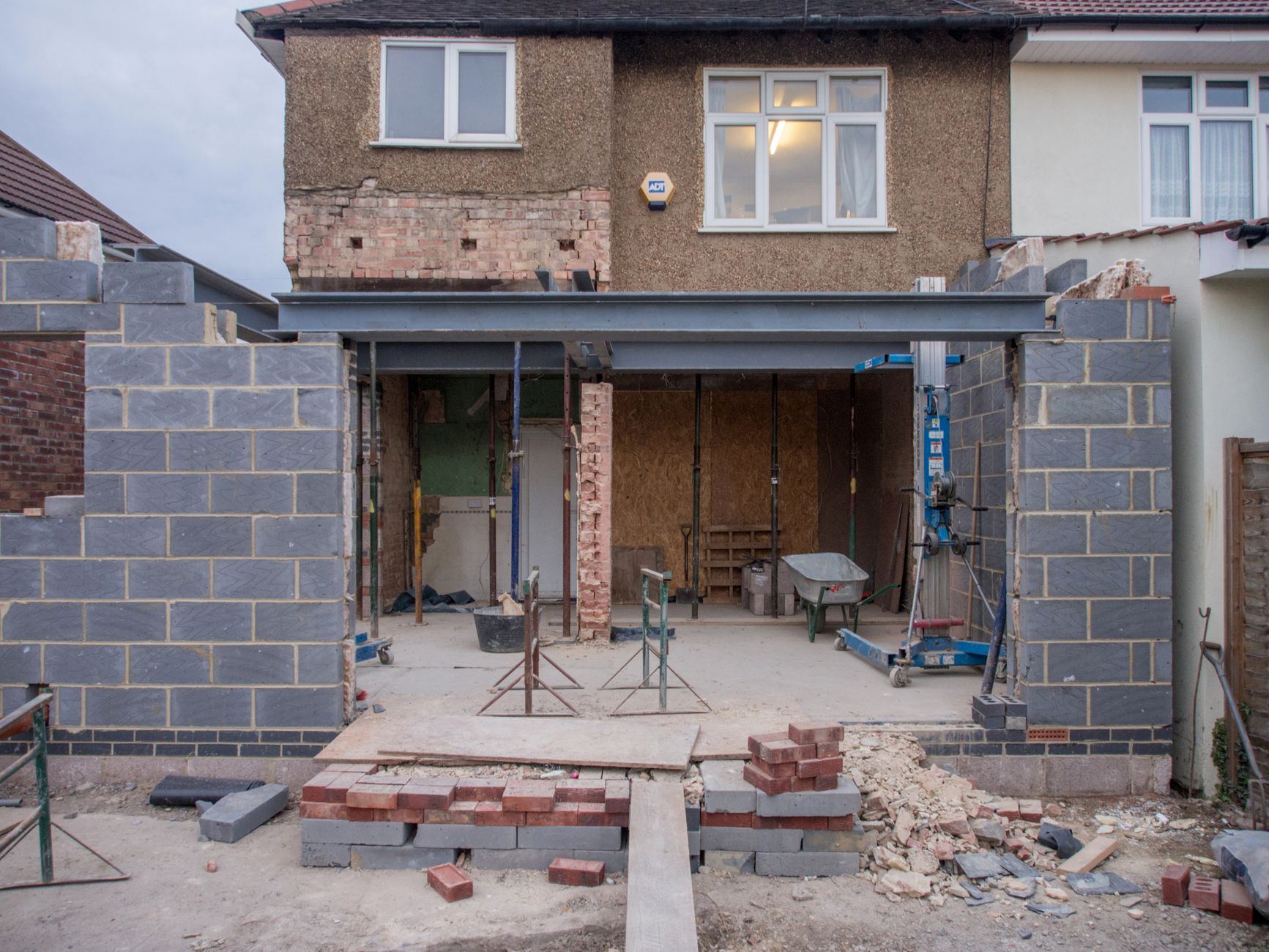
Harold Wood
Subsidence Help for Harold Wood Homes
Send details of the crack or movement you have noticed at your home. A specialist will review what you describe and tell you whether it needs attention, without any cost or obligation to you.
Foundation Work Available in Harold Wood
Homes between the Ingrebourne valley and the higher clay present different foundation problems depending on where they sit. Separate specialist firms handle each type of ground movement work listed here.
-
Subsidence Help
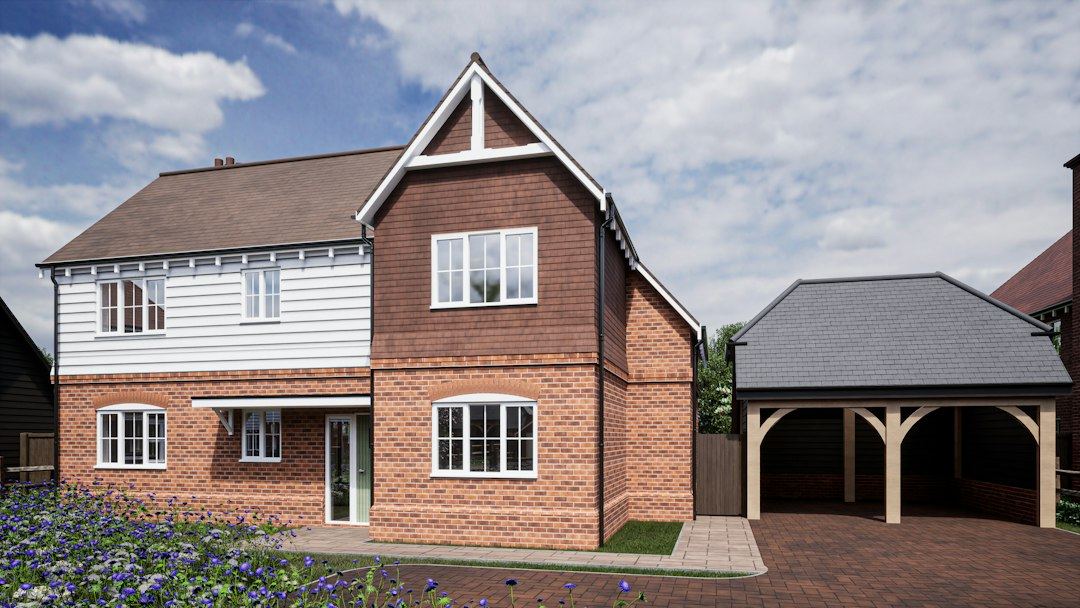
A structural specialist examines the home, measures the movement and determines whether the cracking points to subsidence or a less serious cause.
-
Underpinning
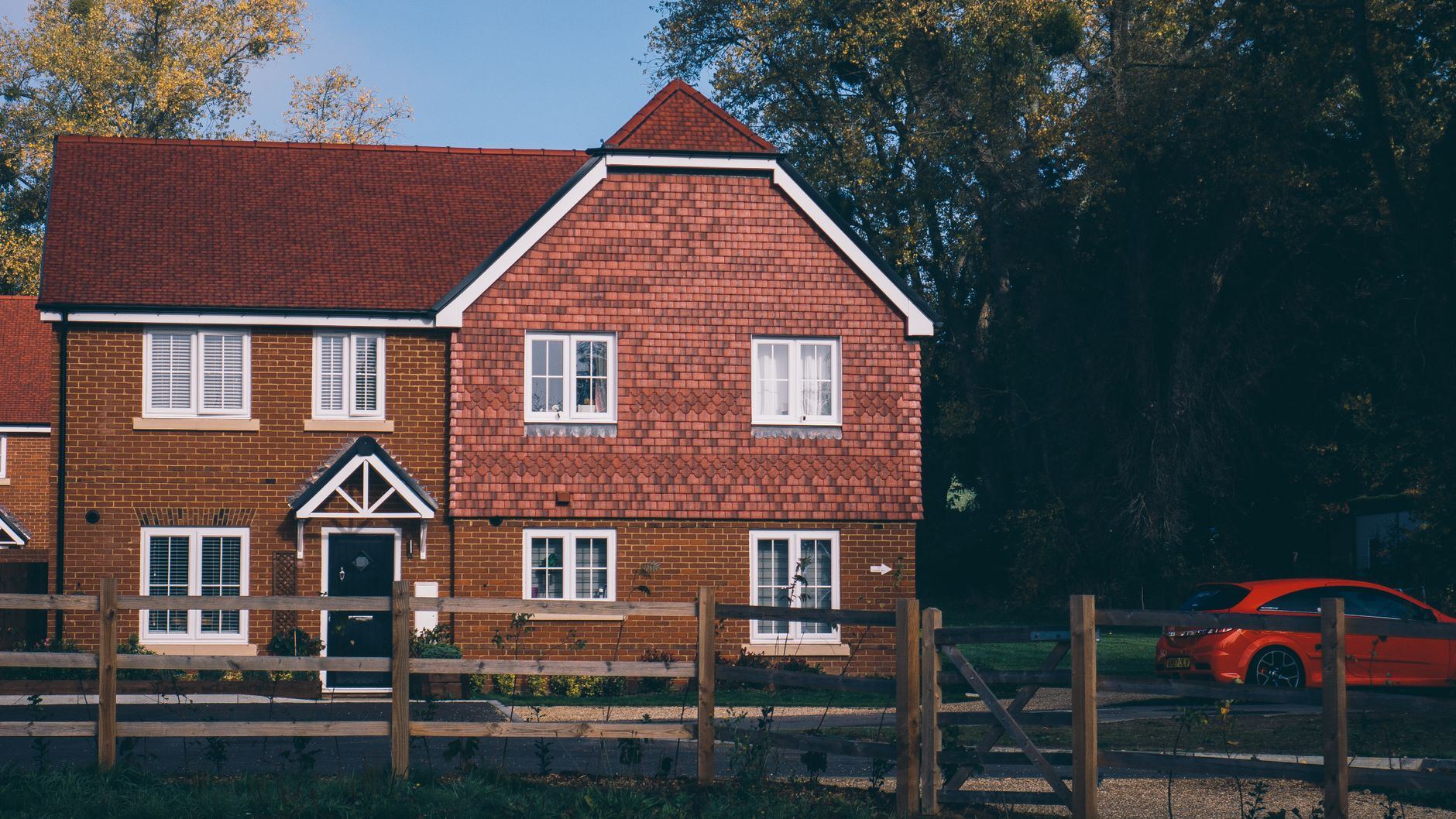
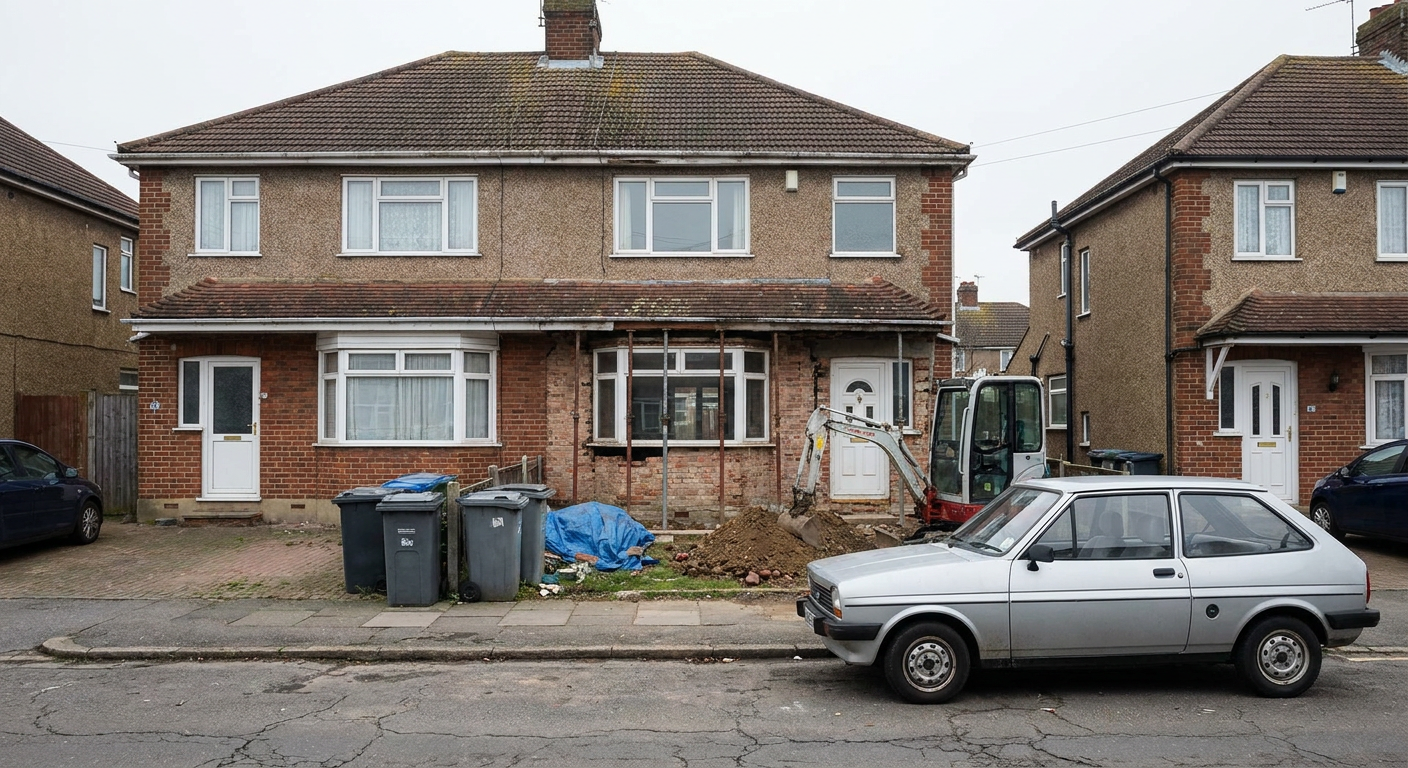
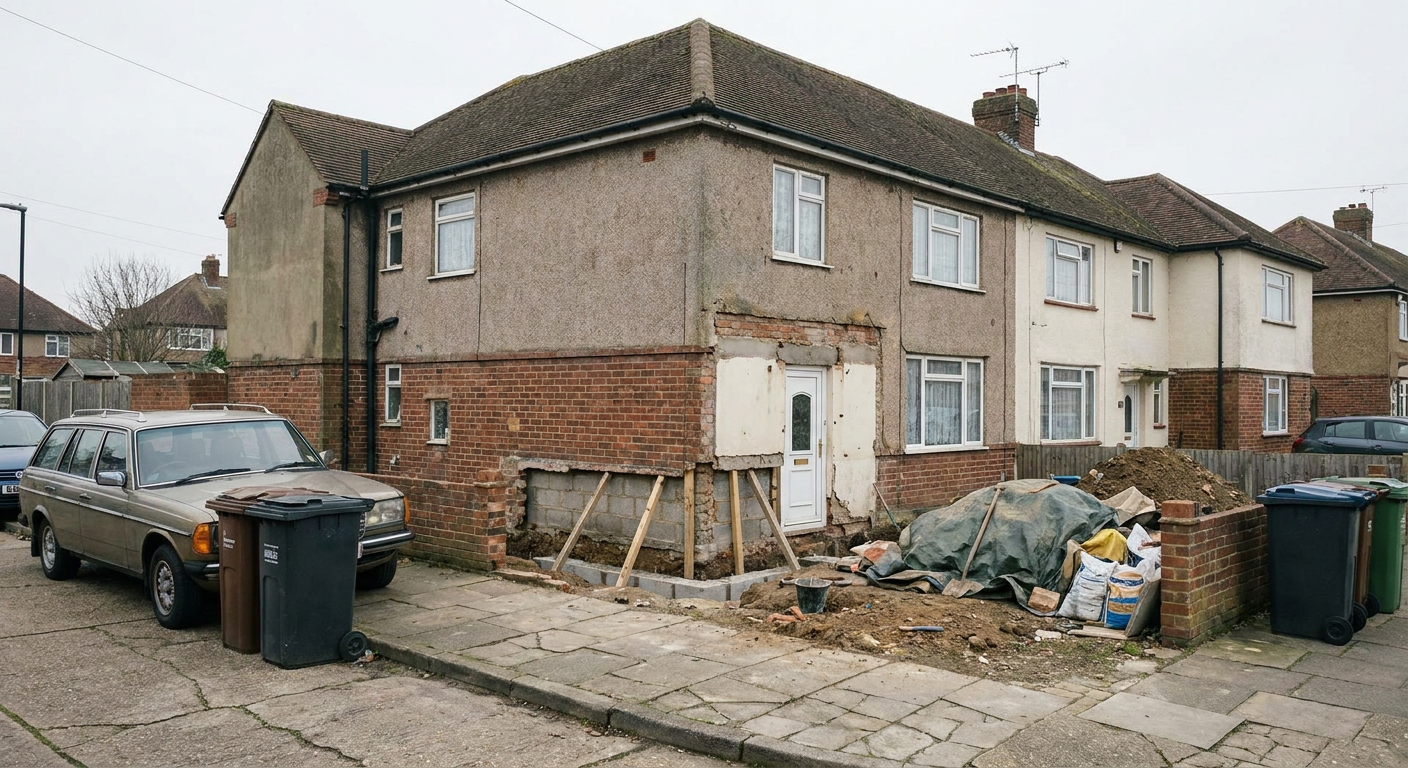
Where foundations need strengthening, a groundworks contractor excavates below the existing footings and pours new concrete to stabilise the structure.
-
Resin Injection
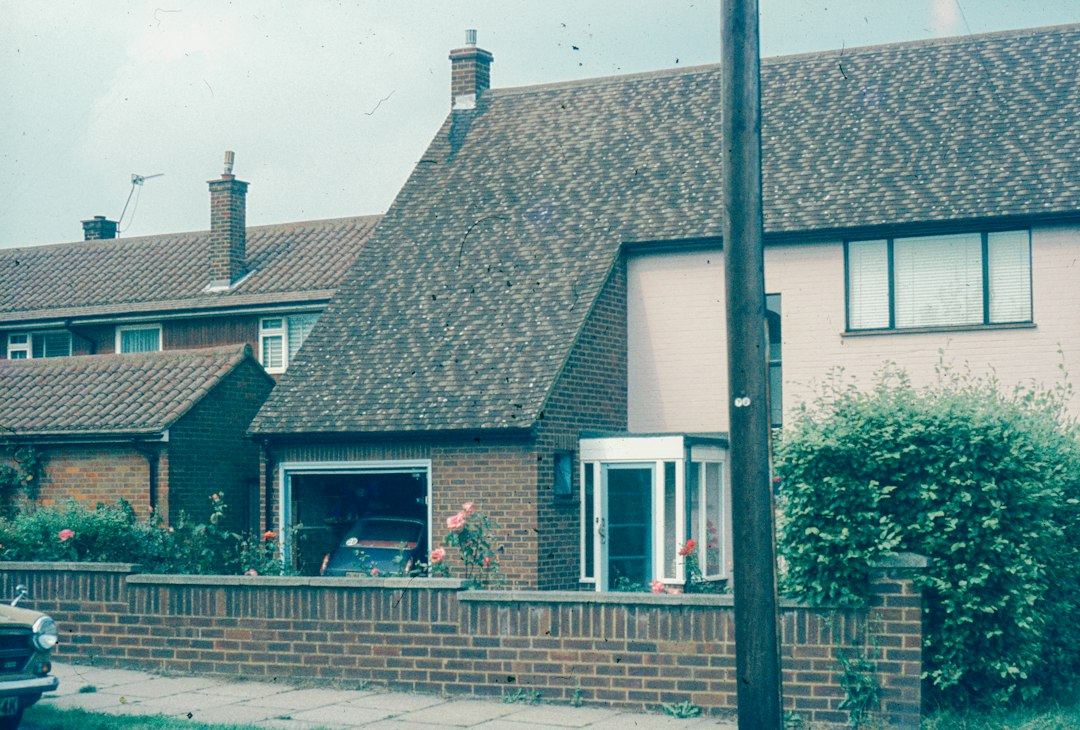
A resin specialist pumps expanding material beneath shrinking clay to fill voids and lift settled sections of a floor back toward level.
-
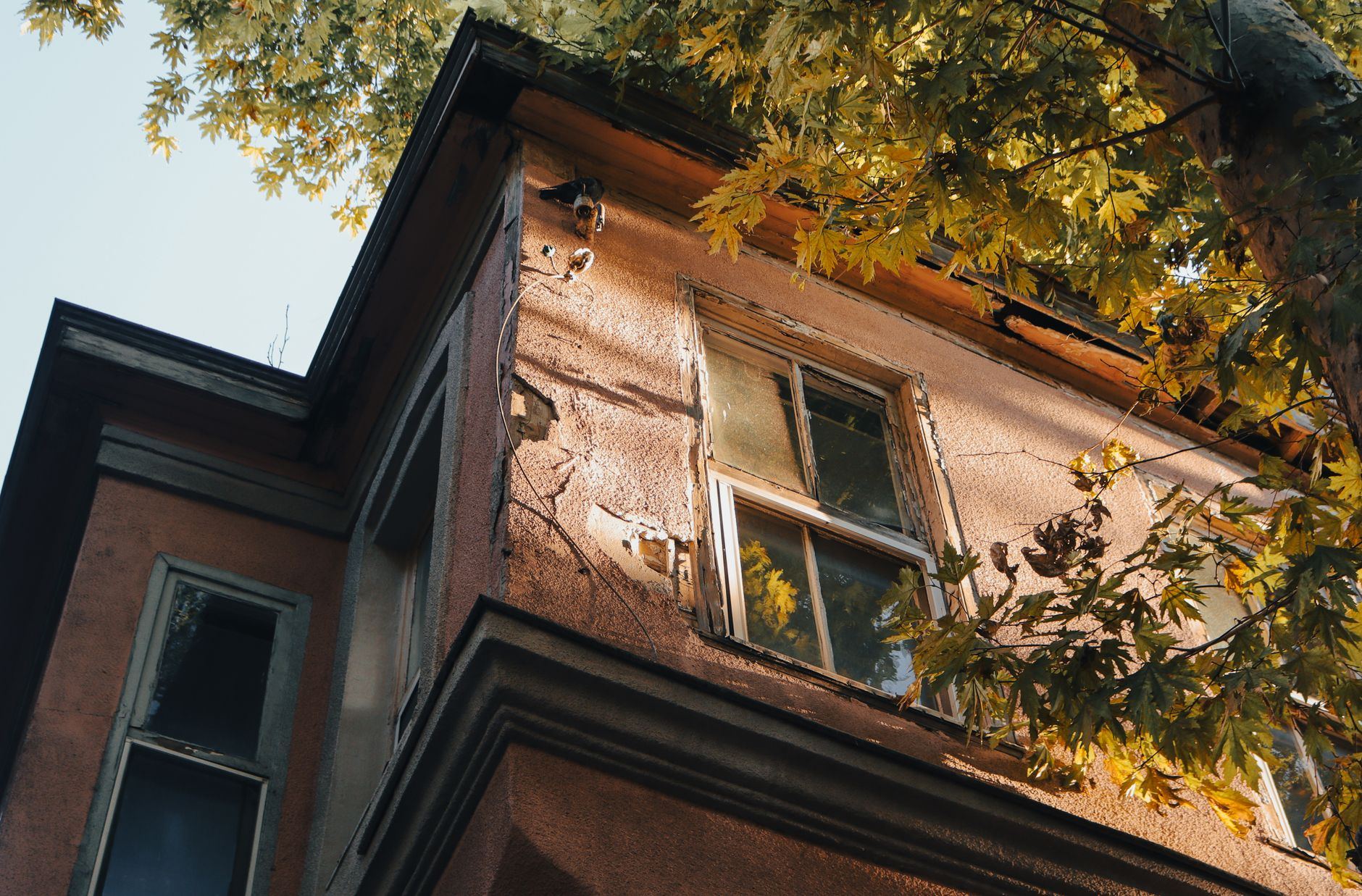
Concrete Cracking
A concrete repair firm addresses cracked garage slabs, drives and internal floors that have dropped or split because of ground movement.
-
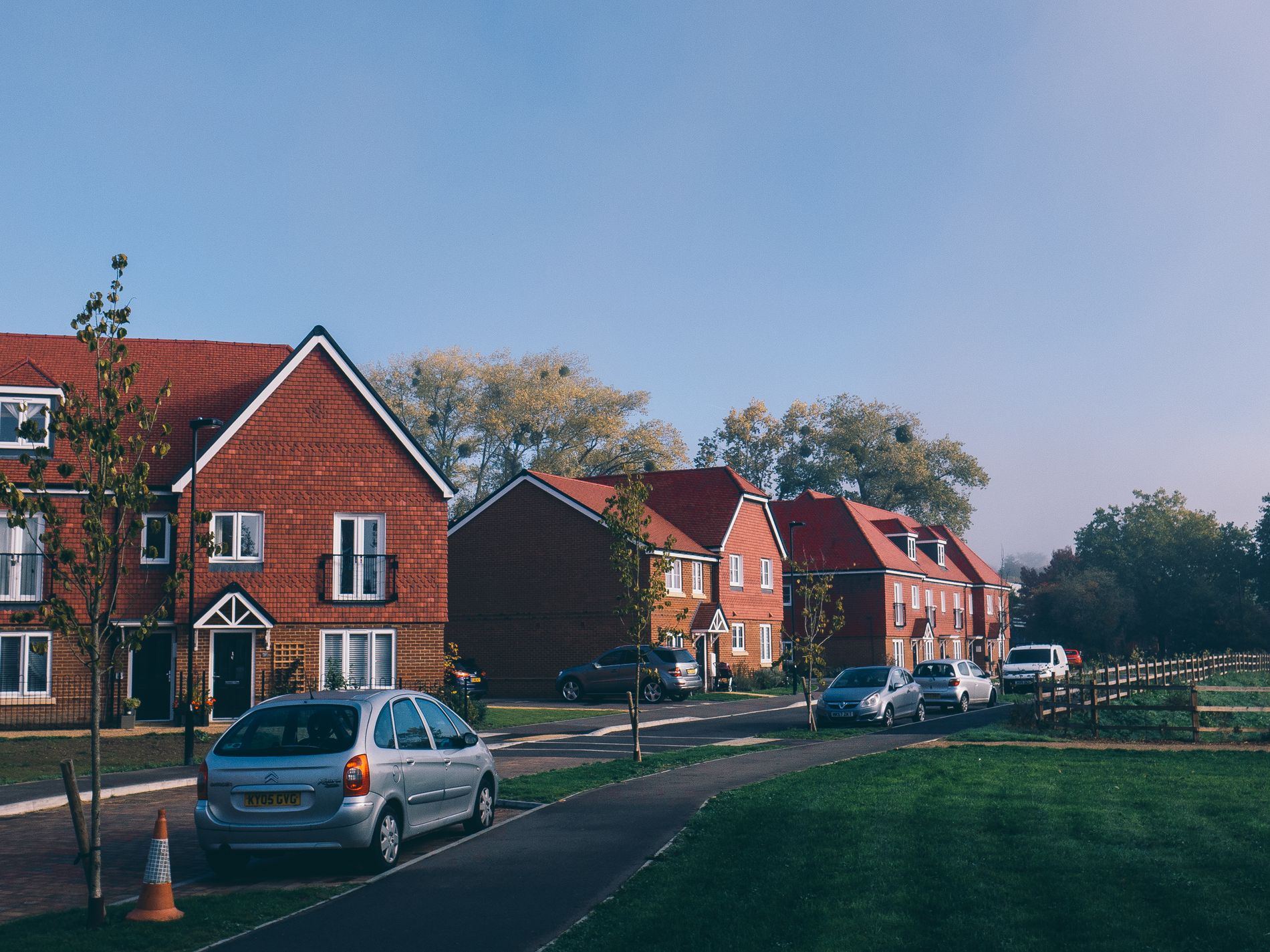
Screw Piling
A piling contractor drives steel screws into stable ground to support extensions or outbuildings where shallow soil cannot bear the load.
Why Cracks Appear in Harold Wood Houses
Harold Wood sits on a slope between the Ingrebourne floodplain and London Clay. Interwar semis and newer infill homes react differently to this mix. Seasonal shrinkage, old drainage and former hospital land all leave their mark on walls and floors.
- 1
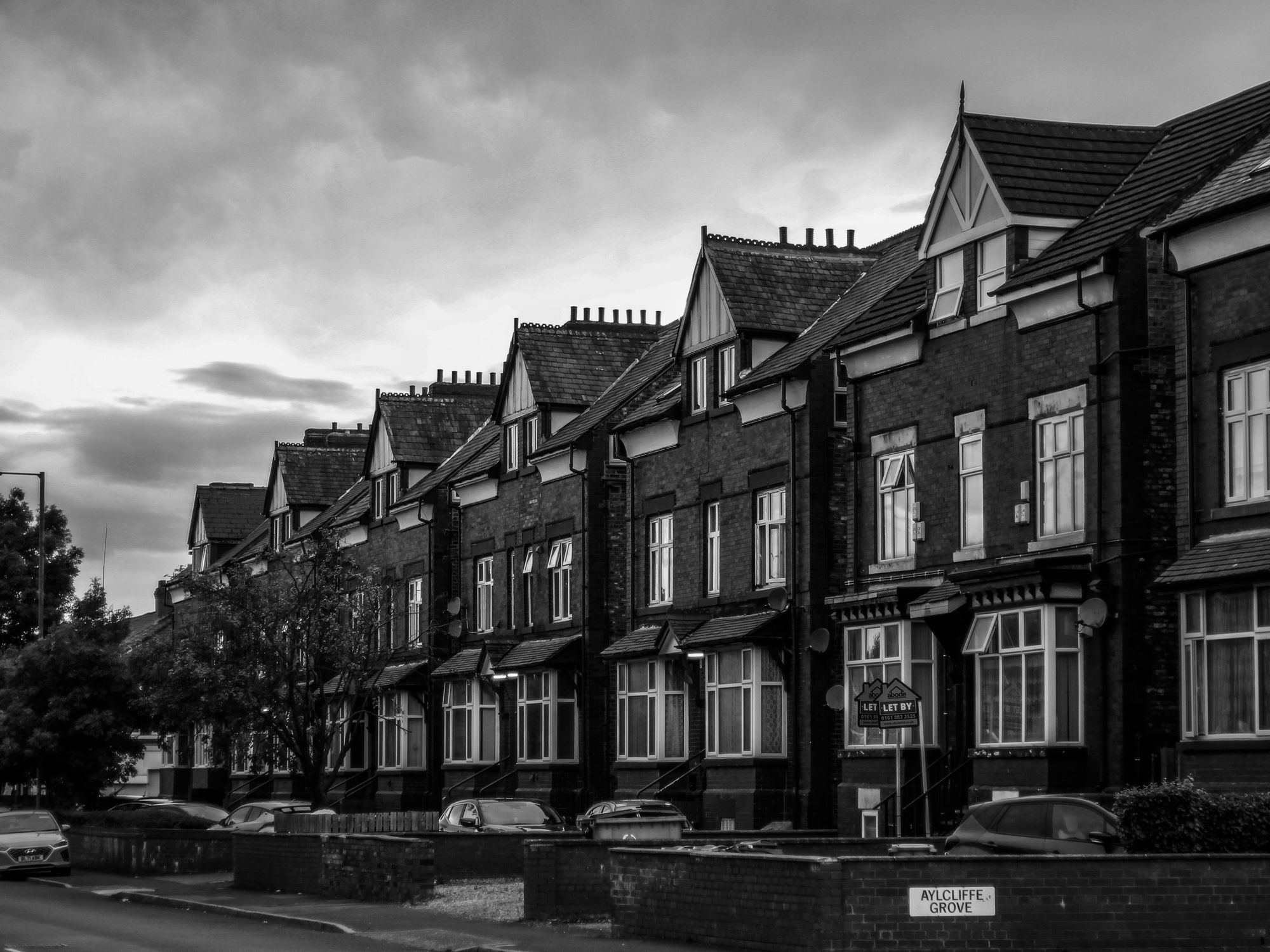
Diagonal cracks near windows
A crack wider at one end than the other, running from a window corner toward the ceiling, often indicates differential movement in the wall.
- 2
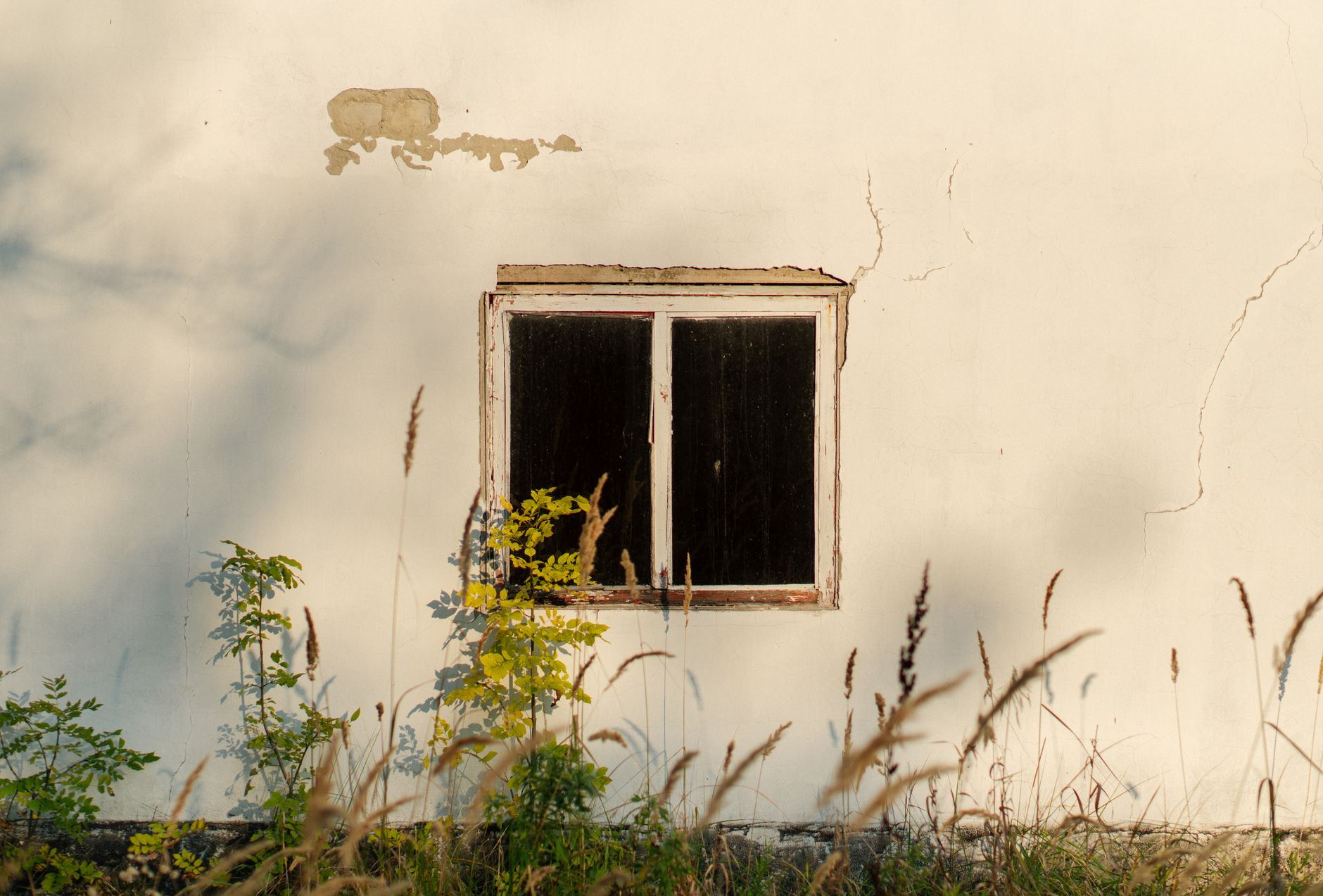
Doors sticking in frames
A door that catches on its frame or no longer latches can mean the opening has shifted shape as the ground beneath it moves.
- 3
Gaps under skirting boards
A visible gap between the floor and the skirting suggests the slab has dropped away from the wall, common on postwar concrete floors.
- 4
Cracks reopening after filling
Plaster filler that splits again within months points to ongoing movement rather than a one-off settlement event that has already stopped.
Ground Conditions That Affect Harold Wood Homes
The district mixes valley gravel, shrinkable clay and areas built over former institutional grounds. Each condition produces distinct movement patterns.
- Valley-side gravel and clay
- Houses closer to the Ingrebourne sit on river terrace deposits that thin out toward the clay. Foundations may bridge two soil types that move at different rates through the year.
- Former hospital and field land
- Parts of Harold Wood were built on the old hospital estate and open fields. Made ground or compacted fill beneath these plots can consolidate slowly long after construction finishes.
- Tree roots in clay
- Mature oaks and willows left from the original field boundaries draw moisture from the clay during summer. This causes the soil to shrink and pull support from shallow footings.
- Ageing drains and soakaways
- Interwar and postwar drainage systems run close to foundation edges. Leaking joints wash fine particles from the soil, leaving voids that allow sections of the house to settle.
Areas Covered Across Havering
Enquiries are taken from homeowners anywhere in the London Borough of Havering. The separate specialist firms who carry out the work operate across every town and village in the borough.
If your street is not listed, send an enquiry anyway. Coverage extends throughout Havering.
Tell Us What You Have Noticed
Write down what you see at your home and how long it has been there. The information goes to a specialist who will advise you on the next step. There is no charge and no commitment to proceed.
- No fee for advice
- No obligation to proceed
- Local specialists only