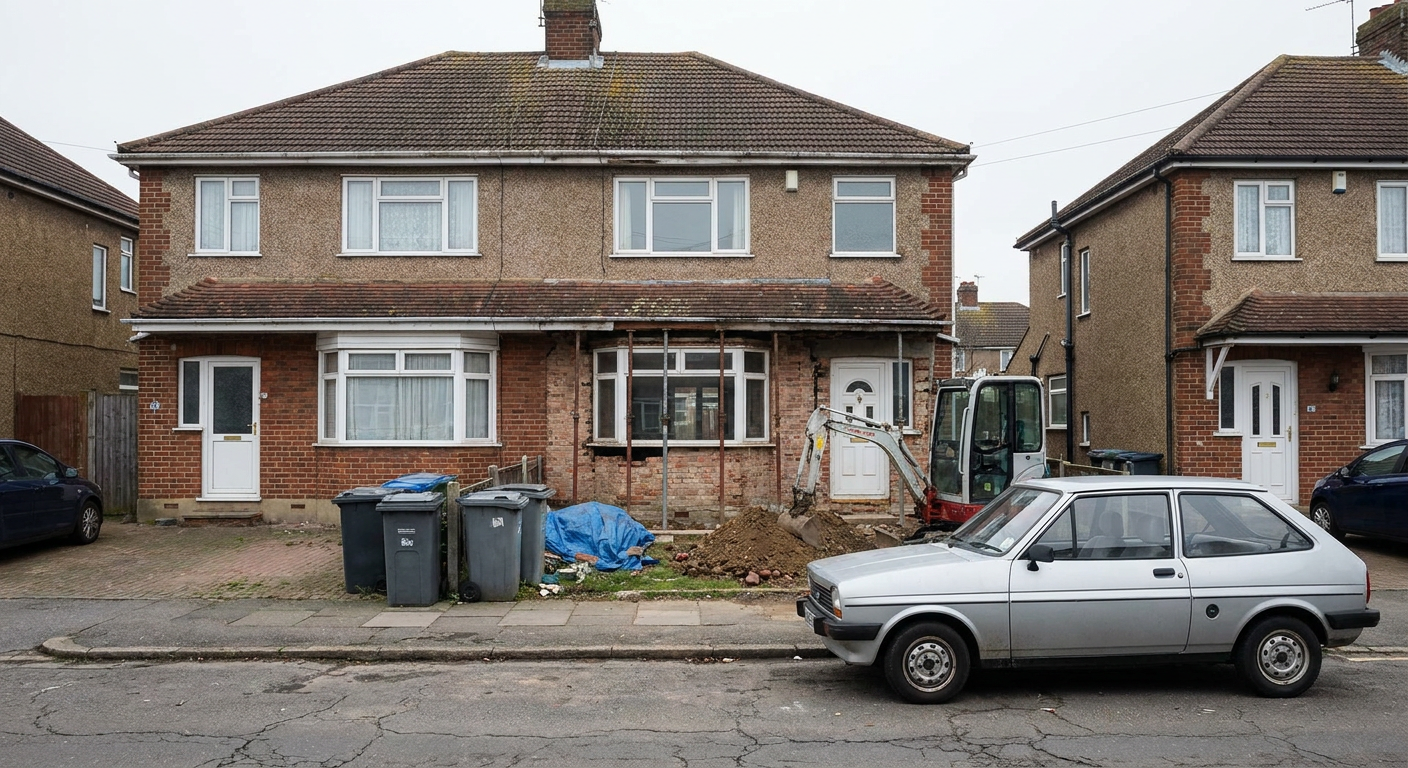
Rainham homes
Subsidence help for Rainham houses on marsh ground
Describe the cracks or movement you have noticed at home. A specialist firm will review what you send and tell you whether a site visit is needed, at no cost to you.
Why walls crack near the Rainham marshes
Alluvium and old fill compress slowly under the weight of a house. When the water table rises or falls, that soft ground shifts again. The house above moves with it, opening cracks in brickwork and pulling floors out of level.
- 1
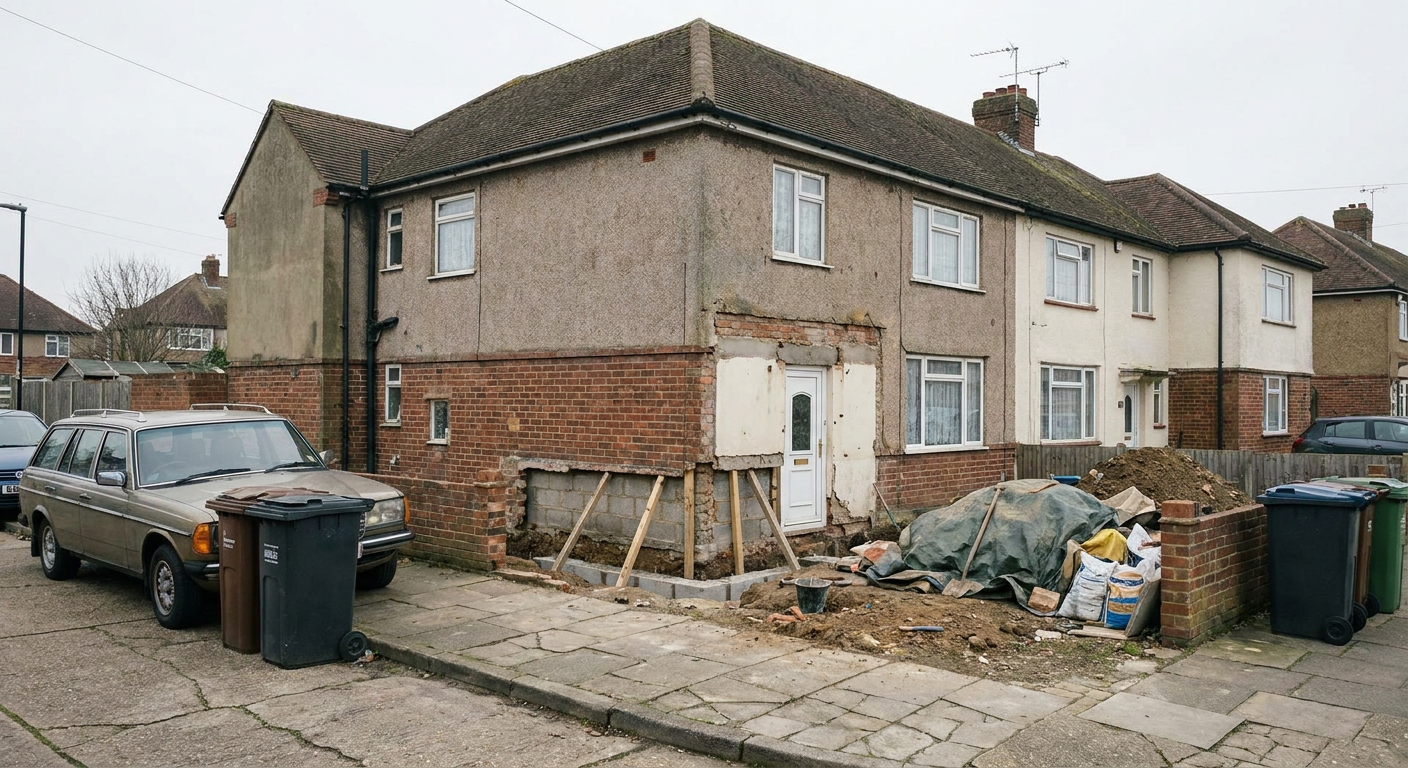
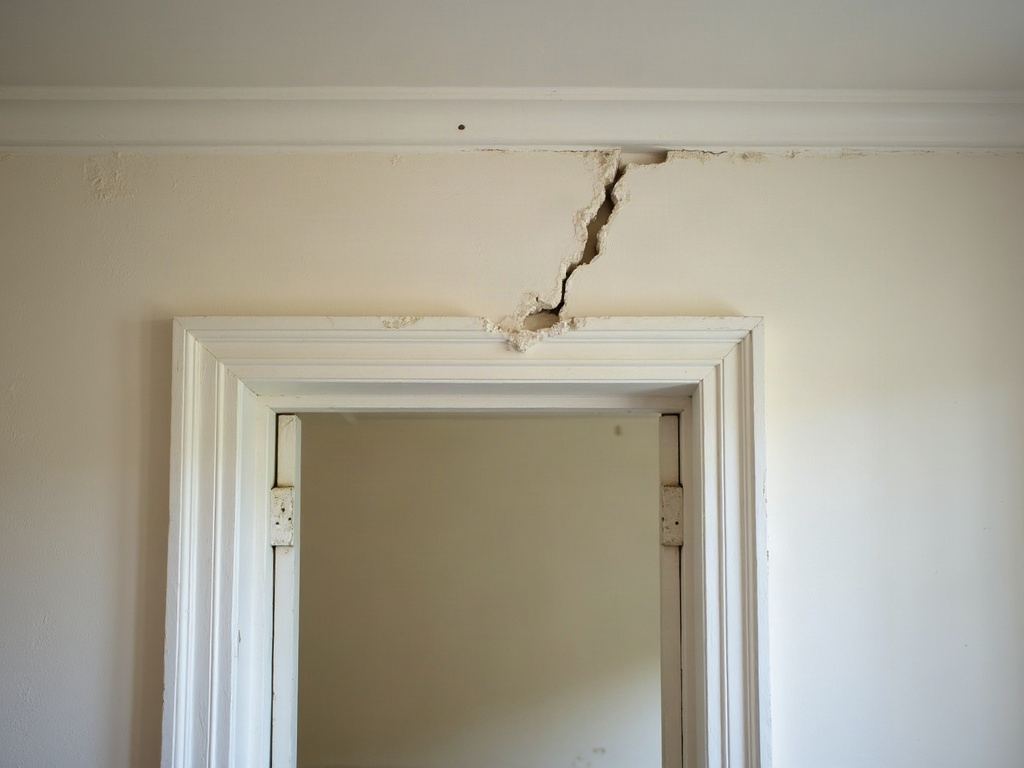
Cracks wider at the top
A diagonal crack that tapers as it goes down often means one side of the wall has dropped lower than the other.
- 2
Doors catching on frames
A door that sticks in summer but swings free in winter suggests the frame is moving with seasonal moisture changes.
- 3
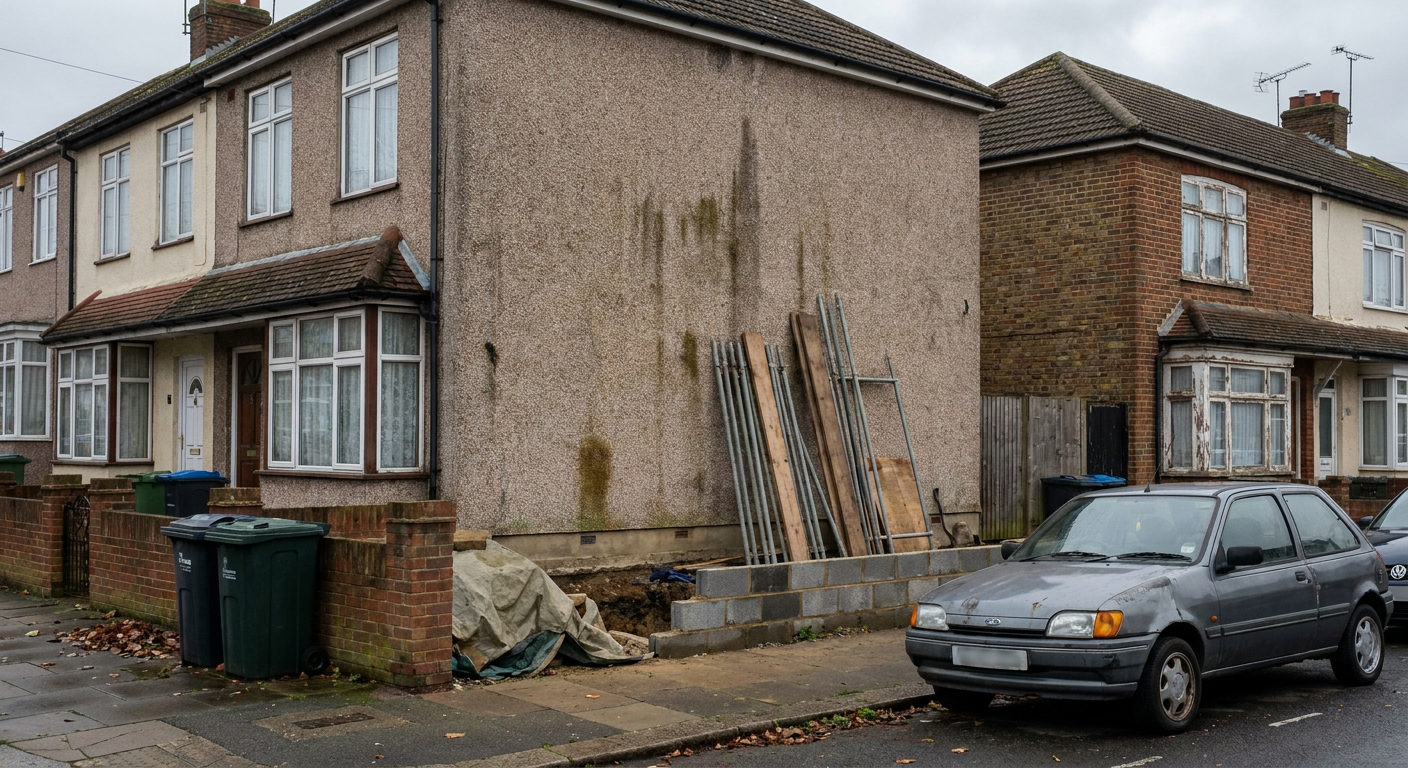
Floors sloping toward one wall
A ball rolling across a room shows the floor slab has tilted, which can happen when soft ground compresses unevenly.
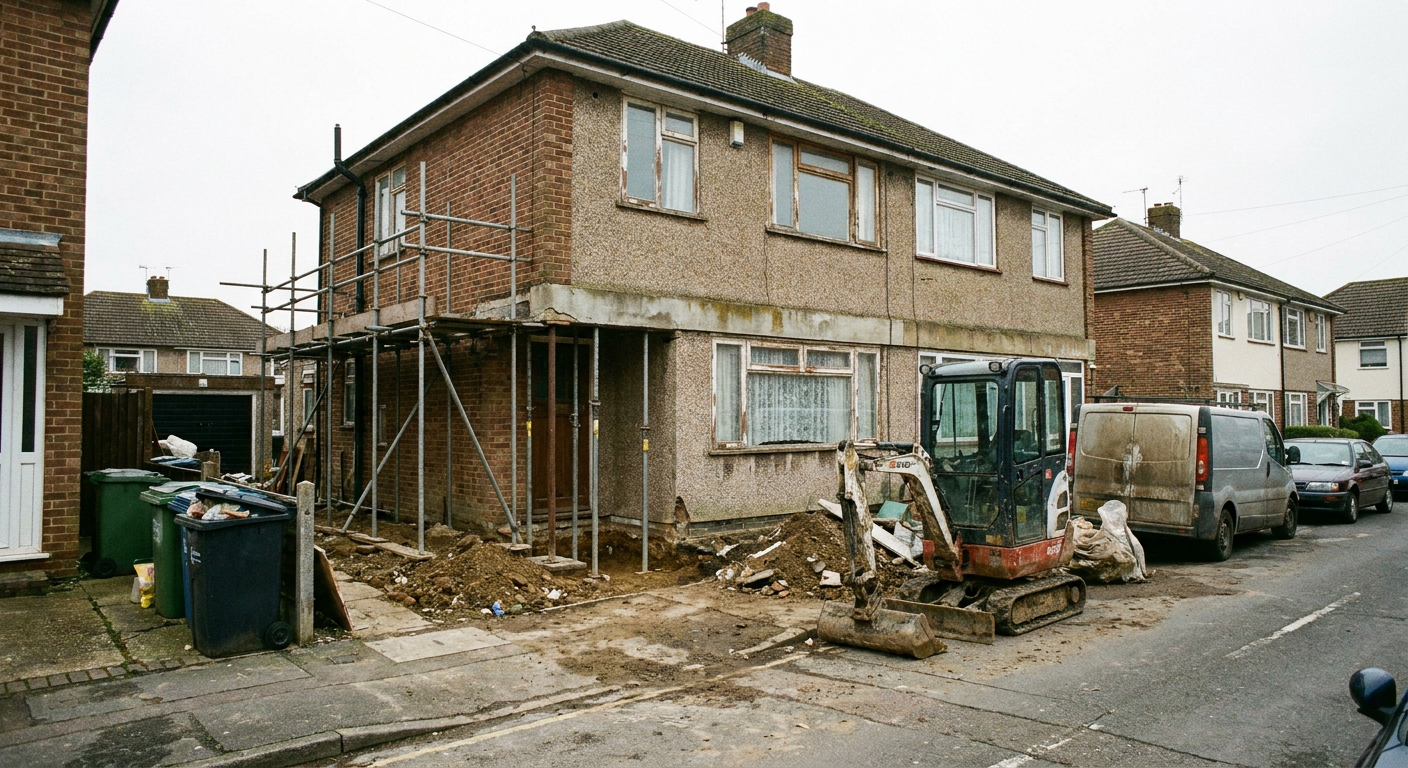
- 4
Gaps around window sills
Daylight showing between a timber sill and the brickwork below it points to differential settlement in the wall.
Local ground
What sits beneath Rainham houses
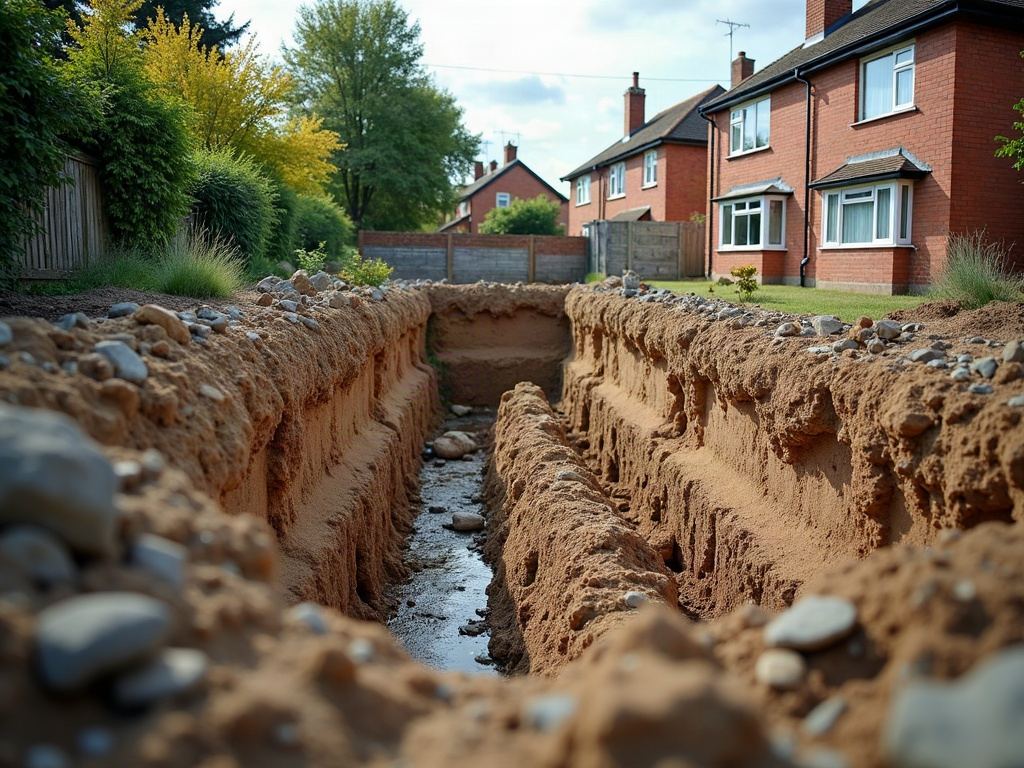
The soil here is a mix of river deposits, old landfill and a water table that rarely drops far below the surface.
- Alluvial clay and silt Soft river deposits that compress under load and swell when wet.
- Made ground Old fill tipped into marshland, varying in depth and density.
- High water table A high water table near the surface washes fine soil particles away.
- Old drainage ditches Infilled channels that settle faster than the ground beside them.
Foundation work in Rainham
How specialists stabilise homes on soft ground
- Site investigation
- A specialist digs trial holes or uses boreholes to find where firm strata begin. This determines how deep any new support must go.
- Screw piling
- Steel helical piles are driven through the fill and alluvium until they bite into stable gravel or clay below, bypassing the weak upper layers entirely.
- Underpinning
- Where shallow foundations need more bearing area, a specialist excavates in short bays and pours concrete beneath the existing footing to spread the load.
- Resin injection
- If the problem is confined to a small zone, expanding resin can be pumped into voids beneath a slab to lift it back toward level.
- Concrete repair
- Cracked garage slabs and drives on made ground may need breaking out and relaying on a prepared base rather than patching.
Subsidence help across Havering
Specialist firms cover every part of the borough. Ground conditions change from the Thames marshes to the hillier northern edges, so local knowledge matters when assessing movement.
If your street is not listed, send an enquiry anyway. Coverage extends throughout the borough.
Tell someone about the movement you see
Write down what you have noticed and where. A specialist firm will read it and advise whether a survey is warranted. Sending this does not commit you to any work or payment.
- No obligation to proceed
- Free initial assessment
- Local specialists only