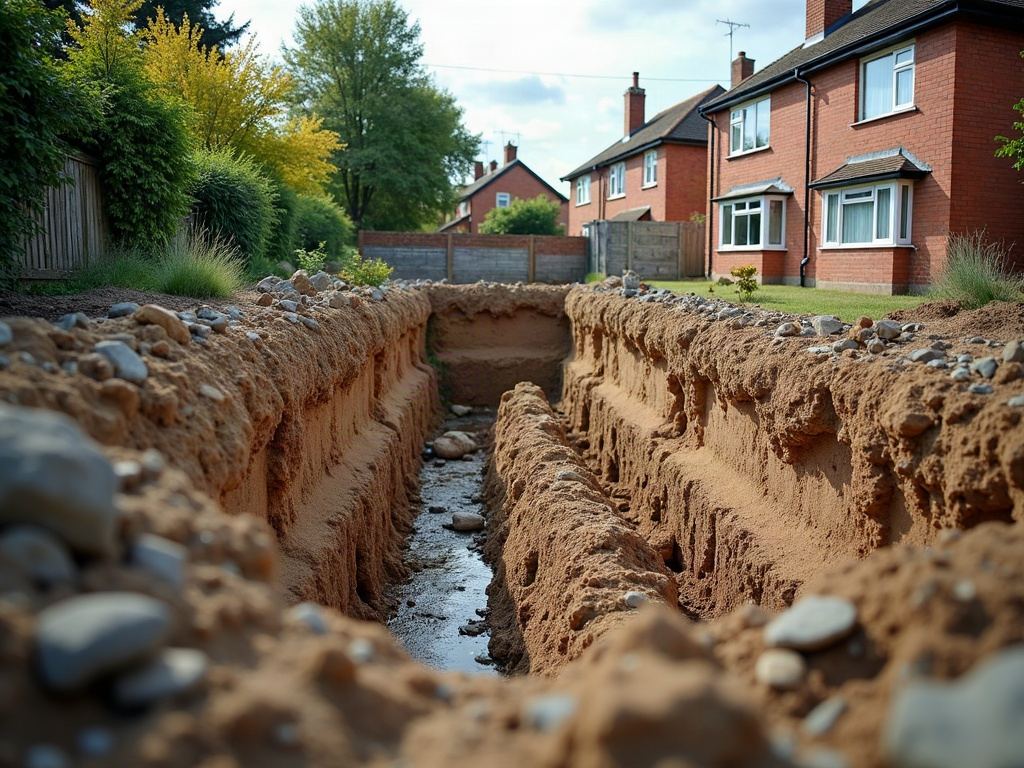
Gidea Park homes
Subsidence and tree roots in Gidea Park
Describe what you have noticed at your home. A specialist firm will review the details and tell you whether the signs need further investigation, with no charge for that first look.
Cracks appearing near mature trees
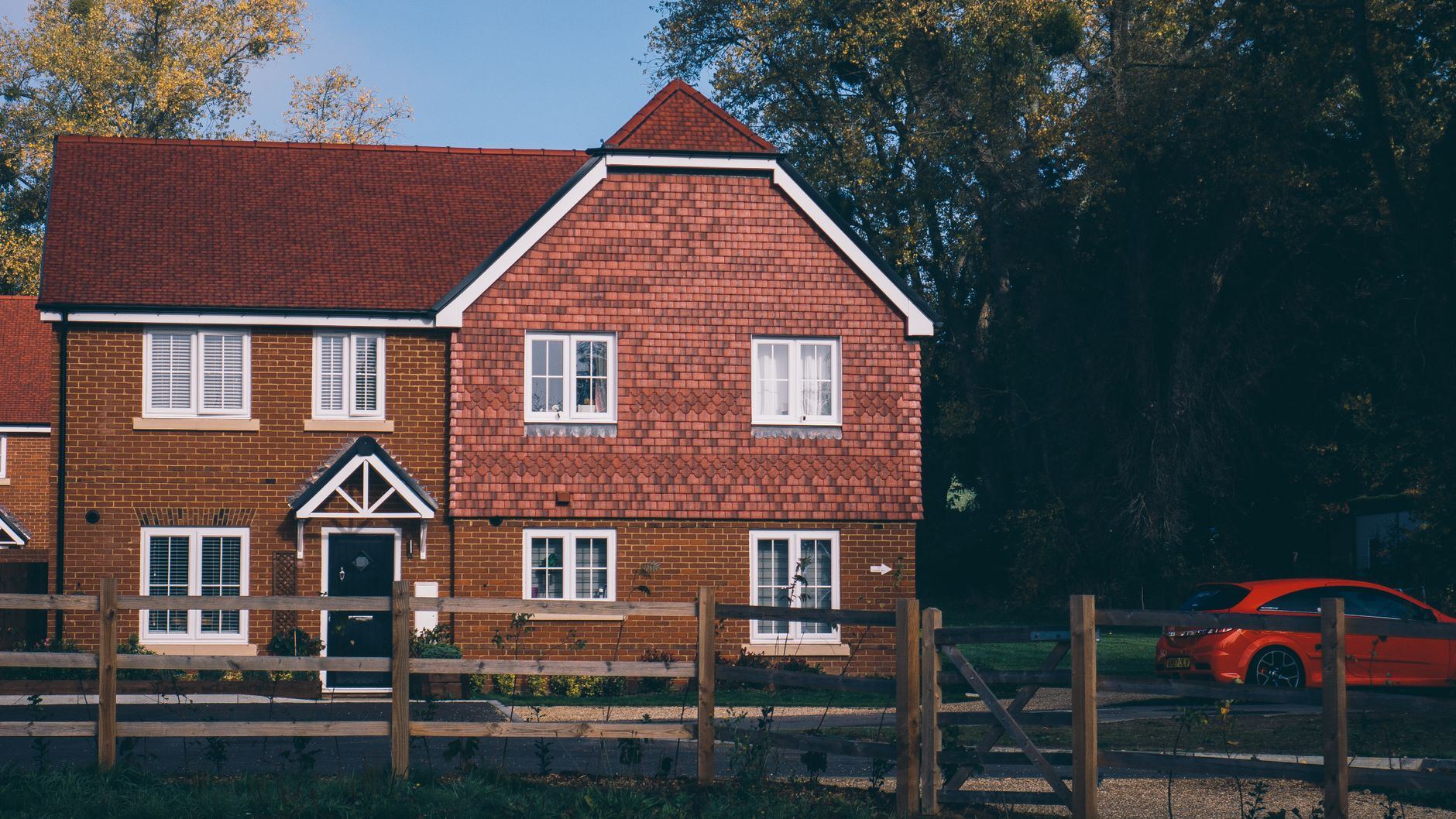
Gidea Park was laid out around existing oaks and planted with new avenues. Those trees draw moisture from the London Clay beneath Edwardian and interwar houses, so the ground shrinks unevenly and walls crack.
- 1
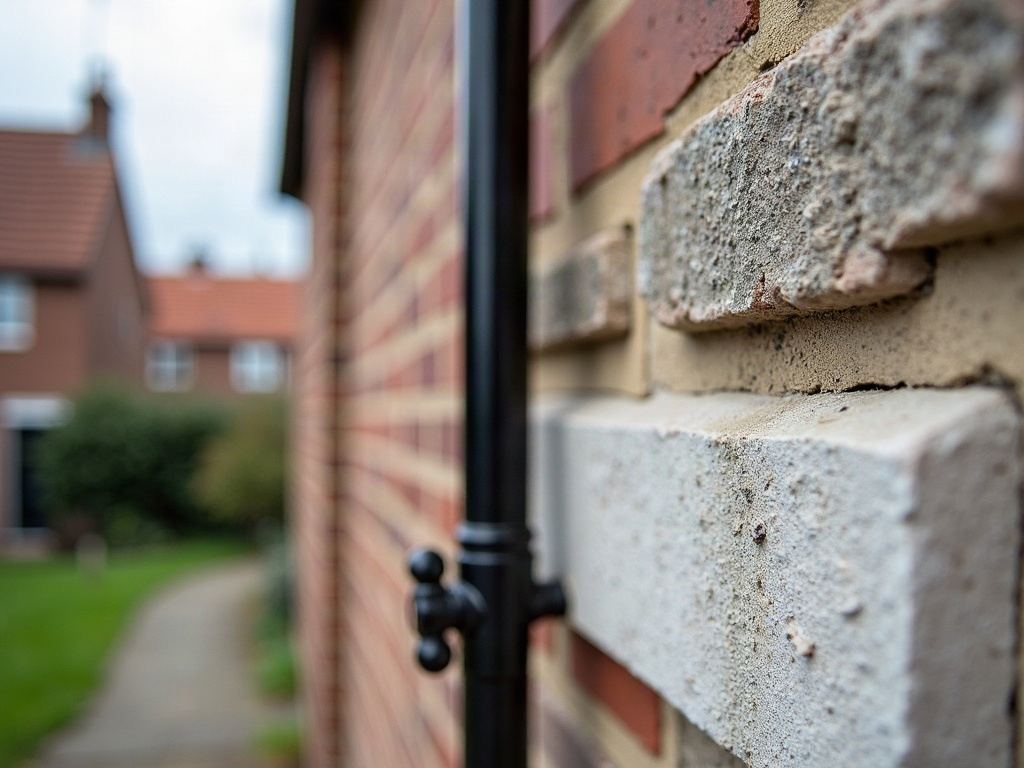
Diagonal cracks by bay windows
A crack wider at the top than the bottom, often near a large garden tree, can mean the clay is drying out beneath the footing.
- 2
Doors sticking in summer
Frames that jam in warm months but close freely after rain suggest seasonal movement in the soil below the house.
- 3
Gaps at skirting boards
A visible space between the floor and the skirting means the floor has dropped slightly relative to the wall above it.
- 4
Steps separating from the wall
External masonry steps pulling away from the main house often point to shallow foundations moving on shrinking clay.
Local ground
Why Gidea Park moves
The garden suburb sits on London Clay, which swells when wet and shrinks when dry, reacting to every tree root and drain nearby.
- London Clay Heavy clay shrinks in dry weather, pulling support away from shallow footings.
- Mature street trees Oaks and limes extract thousands of litres weekly from the soil under houses.
- Shallow Edwardian footings Older brick foundations rarely reach below the zone where roots dry the clay.
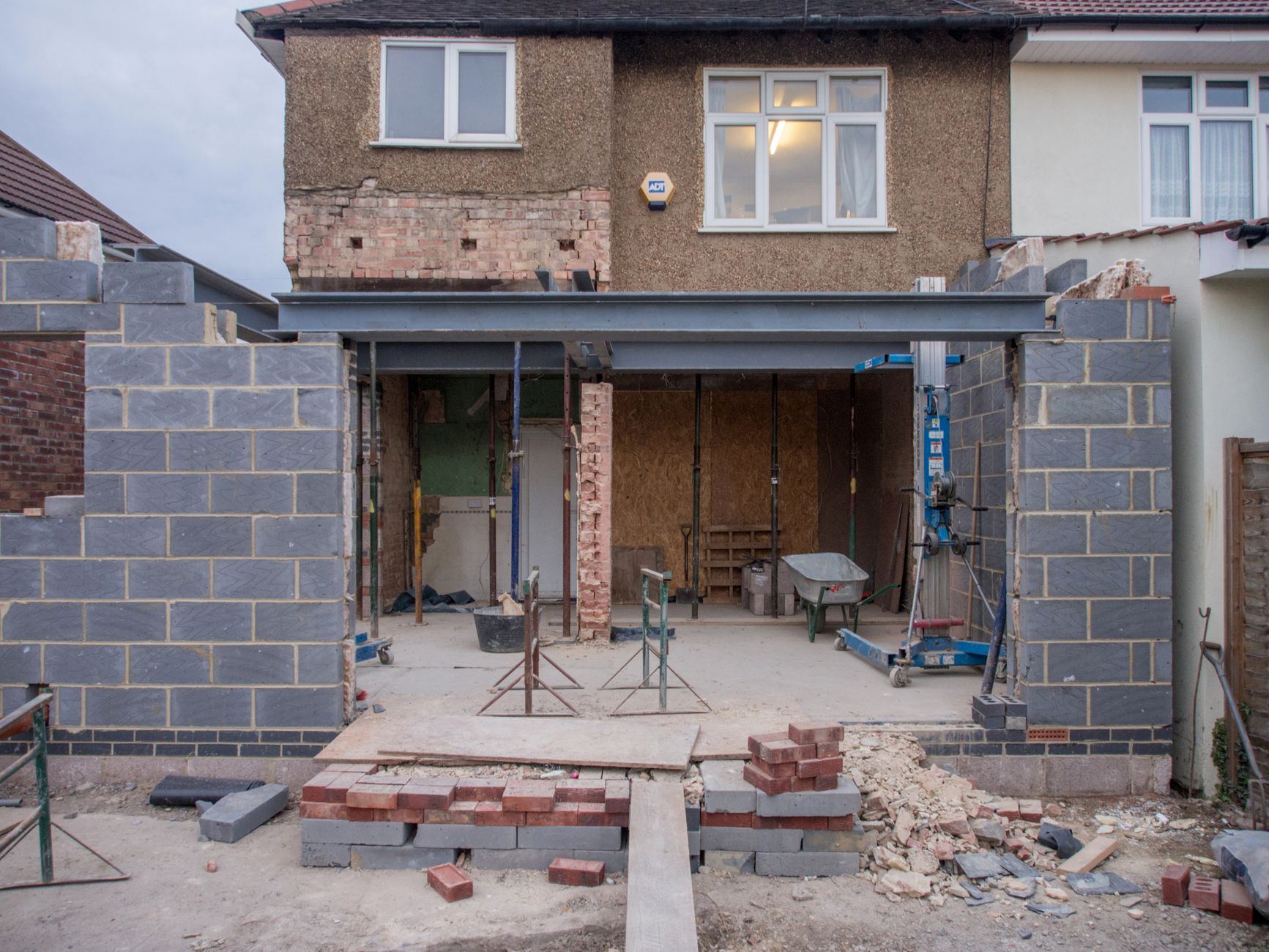
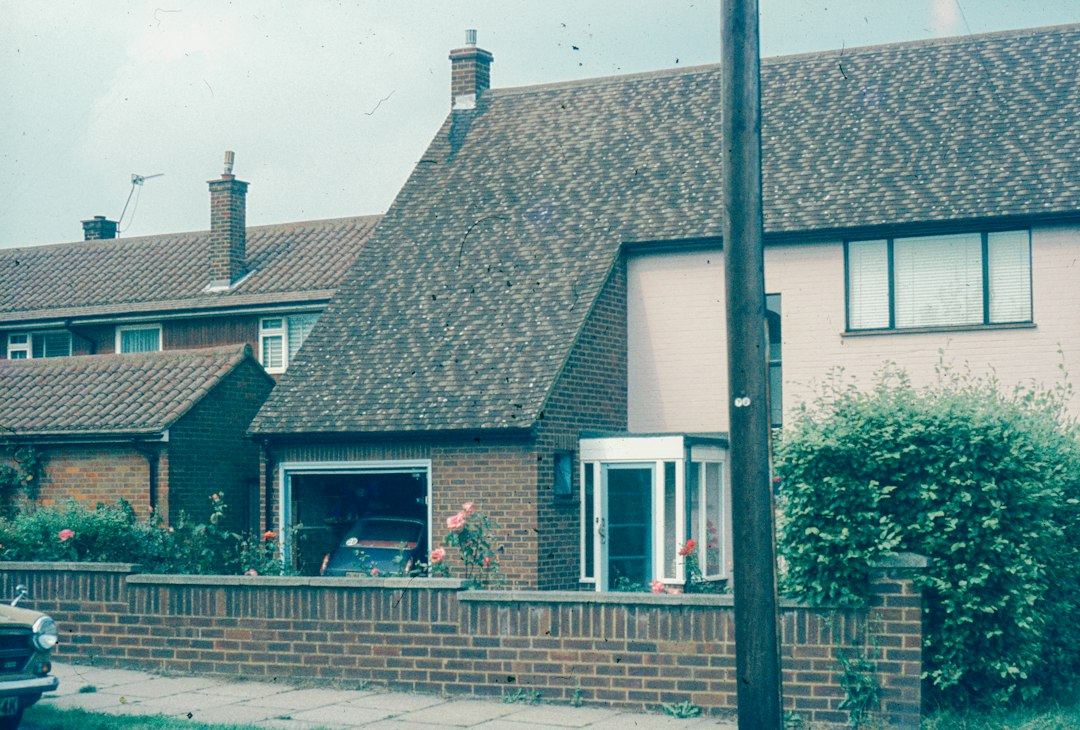
- Interwar extensions Later additions often have different foundation depths, so they move unevenly.
Specialist work
How these problems are investigated and fixed
- Subsidence investigation
- A specialist monitors crack width over several months, checks drain condition and maps nearby tree roots before recommending any repair.
- Underpinning
- Where footings must go deeper, a specialist excavates sections below the existing foundation and pours new concrete to reach stable clay.
- Resin injection
- For limited settlement, a specialist pumps expanding resin into the ground to fill voids and compact loose soil without full excavation.
- Concrete cracking
- A specialist assesses cracked garage slabs or drives to determine if surface shrinkage or deeper ground movement caused the damage.
- Screw piling
- When an extension needs new support, a specialist drives steel screw piles past the active clay layer into firmer ground below.
Areas covered across Havering
Enquiries are taken from homeowners throughout the borough. Specialist firms operate in every town listed below and in the surrounding streets not named here.
If your road is missing, send an enquiry anyway. Coverage extends across the whole borough.
Tell someone what you have seen
Write down where the cracks are and how long they have been there. A specialist firm reads the details and advises whether a site visit is needed. There is no obligation to proceed.
- No fee for advice
- No commitment
- Local specialists